July 13, 2026 — Hitachi Energy has been awarded an order to provide an advanced grid connection solution for a new data center developed by Kauri CAB Digital Infrastructure in Frankfurt, Germany.

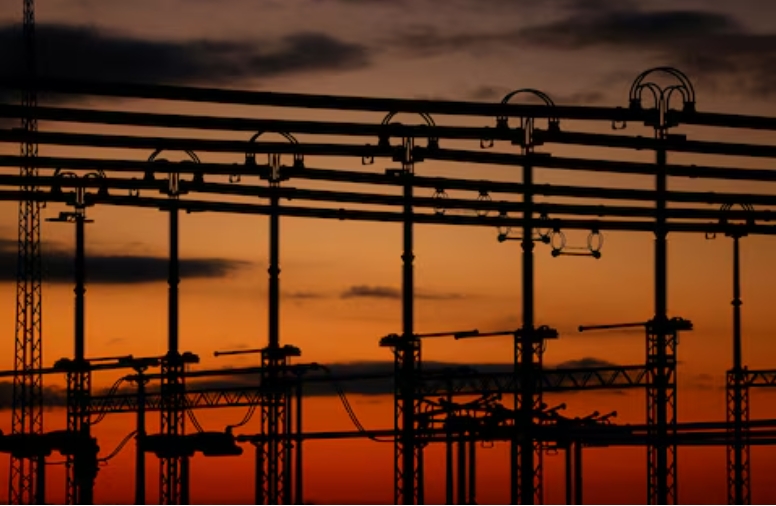
The project comes as rising electricity demand, the electrification of industries and the rapid expansion of data centers place increasing pressure on power grids in the region. Hitachi Energy will deliver a dedicated 110kV grid connection designed for high reliability and a compact footprint, supporting the integration of data centers into a constrained urban energy environment.
The solution is intended to optimize space and strengthen the interface between transmission and distribution grids, helping ensure stable and reliable electricity supply for growing demand in key urban centers.
Global electricity consumption is projected to rise by about 50 percent by 2050, according to the International Energy Agency. Digitalization, especially the rapid growth of data centers, is a major driver of this increase, creating large and concentrated loads for power systems that were traditionally designed for more stable demand patterns.
Reliable access to electricity has become essential for data center operations, as digital infrastructure supports core economic activities including cloud computing and emerging technologies such as artificial intelligence.
Across Europe, meeting this demand will require sustained investment in grid infrastructure. Industry estimates cited by Hitachi Energy suggest that around €67 billion per year will be needed in distribution grids alone through 2030 to ease congestion and avoid delays in connecting new loads in major demand centers.
Hitachi Energy said the Kauri CAB project demonstrates how collaboration between infrastructure developers and grid experts can reduce connection risks, accelerate implementation and support the reliable integration of new electricity demand. The company said the project also reinforces its role as a partner to data center developers and utilities in the expansion of digital infrastructure and the broader energy transition.