Germany may have to keep some coal-fired power plants online longer than planned, as it aims to accelerate the construction of gas-fired power stations amid the ongoing energy crisis stemming from the middle East conflict, chancellor Friedrich Merz has said.
Speaking at a conference organised by newspaper Frankfurter Allgemeine Zeitung, Merz said the country must ensure that it can secure baseload power generation in the short term. "We must now move quickly to build gas-fired power stations," the chancellor said, adding that "we may even have to keep existing coal-fired power stations connected to the grid for longer, should the energy crisis continue, and a shortage actually arise."
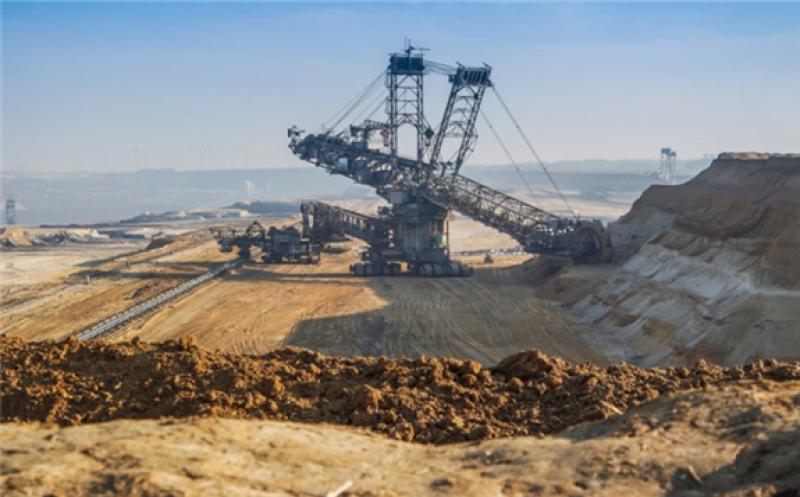
Germany’s coal exit law, agreed in 2020, introduced legislation to guarantee the step-by-step decommissioning of power plants, and stipulates that coal-fired power production must cease by 2038 at the very latest. Germany's western coal region had planned for an earlier phase-out by 2030. However, a likely lack of adequate backup capacities due to the delayed auctioning of new gas-fired power plants makes this earlier deadline increasingly unlikely. Merz did not question 2038 as the final coal exit date.
The decision to take coal plants offline ultimately rests with the Federal Network Agency (BNetzA). The grid regulator can order plant operators to keep units online or in a reserve to ensure that sufficient capacity is available at all times to stabilise the grid. This, for example, can be important during so-called 'Dunkelflaute' periods with little wind or sunshine or at times of high renewable energy output, when grid operators have to curtail electricity feed-in in some regions and redispatch centralised power plants in others.
Merz said Germany would continue to expand wind and solar energy "at locations where this pays off," but argued that supply security was paramount. “We must supply this country with electricity. I am not prepared to jeopardise the core of our industry simply because we have adopted phase-out plans that have become unrealistic,” he said.
Merz said that restarting the three nuclear power plants that were shut down in 2023 was no longer technically feasible, but expressed optimism that ongoing research in fusion technology could lead to Germany building its first large-scale fusion power plant. He also expressed support for Germany joining other European countries in the research of small modular reactors, but added that gas-fired power plants were the more immediate and necessary solution.