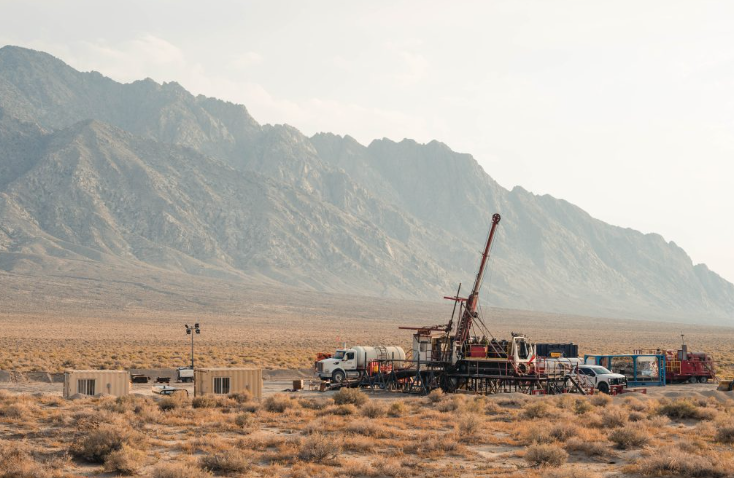
This geothermal project is based on over eight years of collaboration between CTR and Baker Hughes, covering technical validation, subsurface analysis, engineering design, drilling planning, and more. The recently completed field development plan by both parties confirms that the "Hell's Kitchen" site can produce up to 600 megawatts of net baseload energy, with both technical and commercial feasibility validated.
The energy complex planned by American Data Power aims to provide high operational reliability, with an expected energy capacity factor exceeding 95%. This is to meet the continuous high-load power demands of hyperscale data centers while reducing carbon emissions during operations.
Rod Colwell, CEO of Controlled Thermal Resources, stated: "Access to reliable baseload energy has become a key challenge for the development of artificial intelligence and large-scale data infrastructure in the United States. The Salton Sea Geothermal Field currently produces about 450 megawatts of baseload energy, with an estimated undeveloped capacity of 25 gigawatts—equivalent to powering an entire city around the clock. This is a massive clean energy resource that can provide scalable solutions for current energy demands."
The project covers 4,000 acres and is located within the Imperial County Lithium Valley Specific Plan area, receiving support at both state and federal levels. The area's planning designates data centers and supporting digital infrastructure as permitted industrial land uses, providing a clear path for project permitting, helping to reduce ownership risks and facilitating project financing.
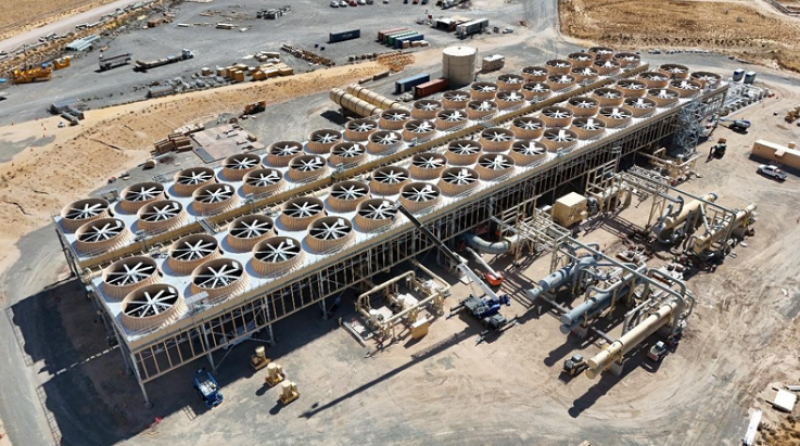
American Data Power's plan is supported by CTR's initial project, which includes a 50-megawatt power plant and critical minerals projects. These will commence construction under its subsidiary, American Critical Resources.
Colwell added: "The Hell's Kitchen and Salton Sea geothermal resources are of significant strategic value. This is a resource validated by 40 years of operation, capable of rapid scaling to meet short-term energy demands and helping to mitigate long-term energy supply fluctuations as alternative technologies and energy storage systems mature."