The government has confirmed that six downstream industrial projects are scheduled to break ground in January 2026, including a coal gasification project that will convert coal into dimethyl ether (DME), potentially led by state-owned miner PT Bukit Asam (PTBA).
Minister of State Secretary Prasetyo Hadi said the projects form part of the government’s broader downstreaming strategy, which spans multiple sectors such as energy and agriculture.
“There are several programs related to energy, including the development of DME facilities at multiple locations. There are also downstream initiatives in the agricultural sector,” Prasetyo said during a press conference on the sidelines of the Red-and-White Cabinet retreat in Hambalang, Bogor, West Java, on Tuesday, January 6, 2026.
Prasetyo said the downstream projects will be implemented in stages, with a total of 18 projects targeted for construction through March 2026. These projects have completed pre-feasibility studies, and their documentation has been transferred from the Ministry of Energy and Mineral Resources (ESDM) to the state investment vehicle Danantara.
The coal-to-DME project is among the priority initiatives, as the government seeks to reduce Indonesia’s heavy reliance on imported liquefied petroleum gas (LPG). Energy Minister Bahlil Lahadalia has repeatedly stressed the urgency of accelerating DME development, citing projections that national LPG consumption will rise by around 1.2 million tonnes (MT) to nearly 10 MT by 2026, while domestic production remains limited to about 1.3–1.4 MT annually.
PTBA’s Corporate Secretary Division Head, Eko Prayitno, said last month that the company was still holding intensive discussions with Danantara regarding the continuation of the DME project. Internally, coal downstreaming is a core component of PTBA’s long-term strategy.
PTBA Director of Downstream and Product Diversification Turino Yulianto said energy downstreaming and utilities development represent one of the company’s four key business pillars through 2029. Beyond DME, PTBA is also pursuing projects such as coal-to-artificial graphite and anode sheet production for the electric vehicle ecosystem, as well as coal-to-humic acid for fertilizer applications.
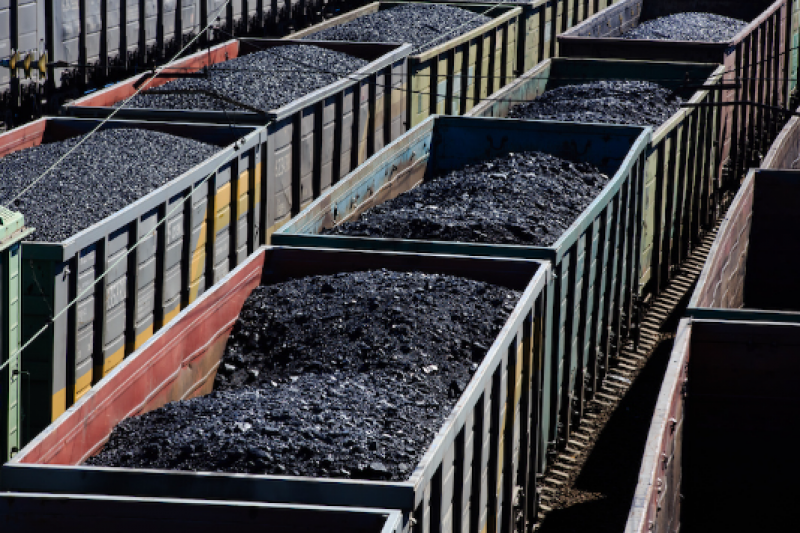
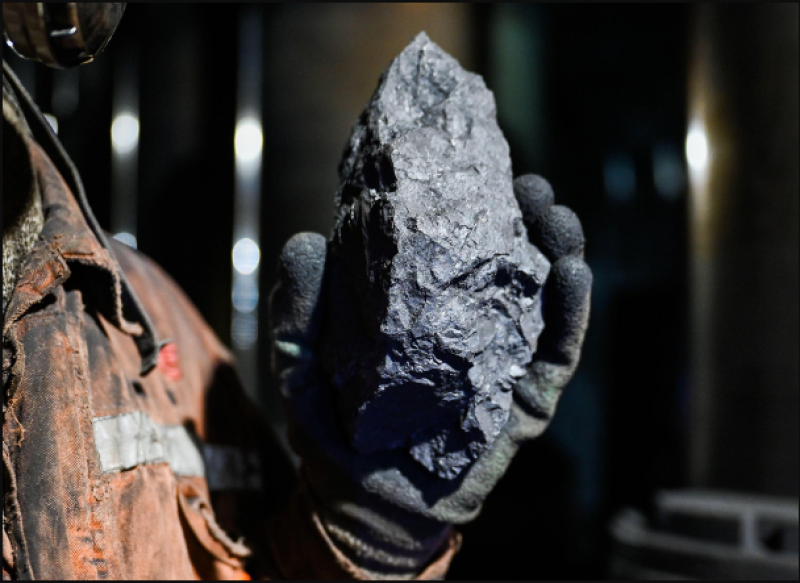
At the commercial validation stage, PTBA is developing coal-to-DME, coal-to-synthetic natural gas (SNG), coal-to-methanol, and coal-to-ammonia projects. Turino noted that converting solid coal into liquid or gaseous products could significantly reduce logistics costs, as transporting raw coal is relatively expensive.
However, he emphasized that the DME project requires careful financial assessment due to its high capital intensity. Initial investment costs remain the main challenge for downstream projects, with a single DME or methanol plant requiring capital expenditure of around Rp50 trillion (US$2.97 billion). By comparison, Indonesia’s annual LPG subsidy reaches Rp80–90 trillion.
“Once constructed, these plants can operate continuously,” Turino said.
Through downstream diversification, PTBA aims to increase production volumes to as much as 100 MT per year from its current level of around 40 MT. The company estimates that downstream processing could significantly boost value creation, with DME generating up to 4.3 times the value of raw coal, SNG 5.7 times, methanol 4.7 times, and ammonia 4.8 times.
“In simple terms, if 40 MT of coal currently generate Rp40 trillion in revenue, downstreaming at five times the value could potentially deliver Rp200 trillion with the same volume,” Turino said, as quoted by APBI-ICMA, on Monday, December 23, 2025.
PTBA is also developing a coal-to-artificial graphite project to support the electric vehicle and nuclear power industries, as well as a coal-to-humic acid pilot project with Gadjah Mada University, which is expected to double agricultural productivity by improving fertilizer efficiency. The pilot project is targeted for completion early next year.
Additional initiatives include coal-to-SNG development with state gas distributor Perusahaan Gas Negara to address potential industrial gas shortages from 2028, coal-to-methanol projects with broader downstream industrial applications, and coal-to-ammonia facilities to support fertilizer production.
The company is also planning coal-fired power plants to supply electricity to mining holding members such as Antam and Timah, while expanding solar power projects on reclaimed mining land, toll roads, and agricultural areas lacking irrigation.
Indonesia’s coal gasification program previously stalled after U.S.-based Air Products and Chemicals Inc. withdrew from two projects, citing unfavorable economics amid high coal prices.
Analysts say PTBA could benefit from a first-mover advantage if the DME policy is fully implemented. Muhammad Wafi, Head of Research at Korea Investment and Sekuritas Indonesia, said PTBA is well positioned due to its infrastructure readiness and mining sites already designated as industrial downstreaming zones.
Beyond DME sales, Wafi said PTBA could also benefit from a zero-percent royalty incentive for coal used in downstream processing, helping preserve margins amid tightening global environmental, social, and governance (ESG) standards.
However, analysts caution that gasification projects carry significant upfront investment risks. Mirae Asset Sekuritas market analyst Nafan Aji Gusta said coal companies with gasification capabilities have strong long-term prospects, provided the regulatory framework is fully in place, but warned that the heavy capital burden would weigh on companies in the early stages.