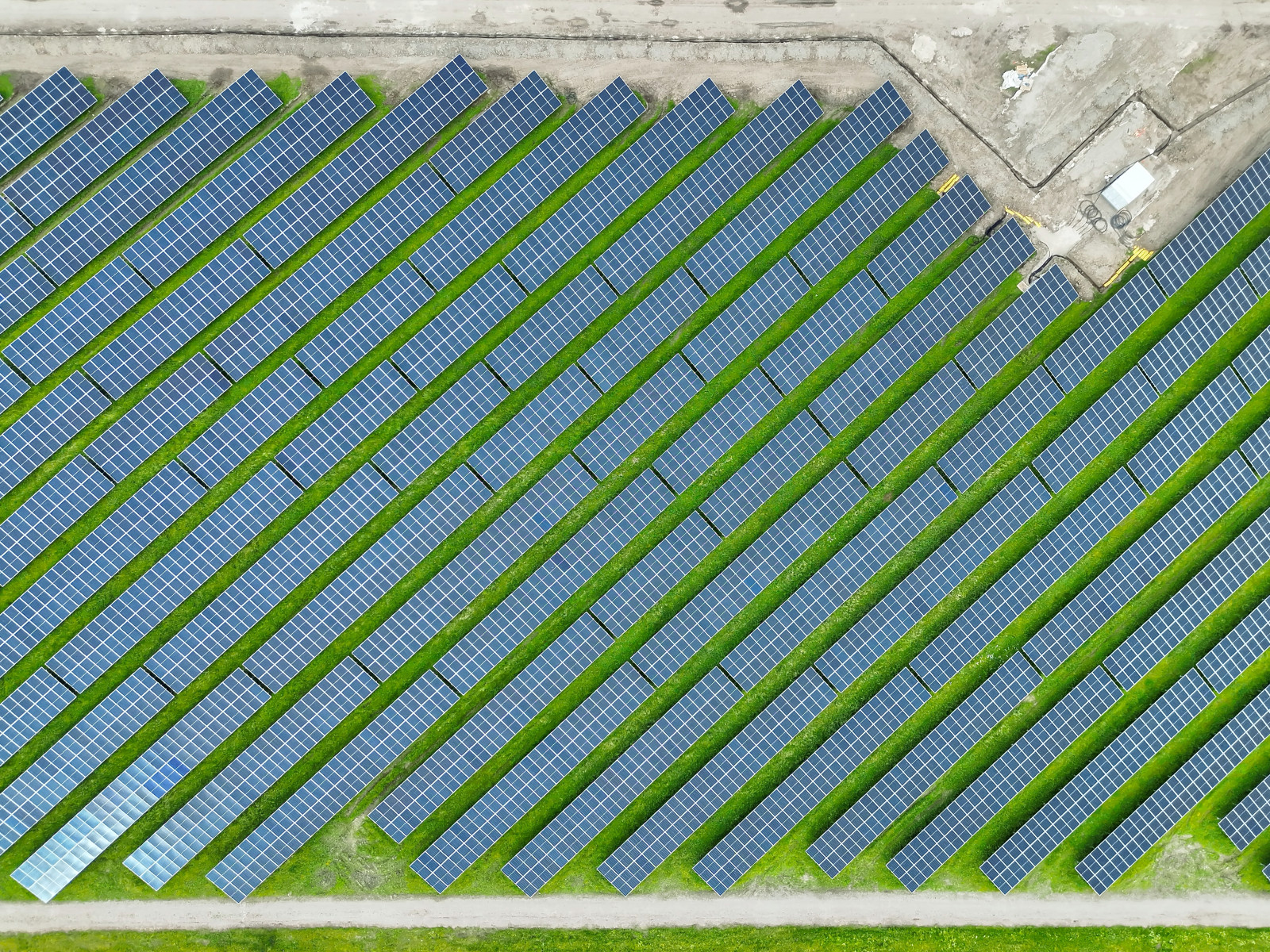
Eswatini has launched the 200 million Malangeni Nsoko Solar Power Plant, marking another important step in the country’s efforts to strengthen its renewable energy sector and expand domestic electricity generation.
The 10 MW solar photovoltaic project was officially inaugurated by Acting Minister of Natural Resources and Energy Sikhumbuzo Dlamini at the Kamsholo Game Reserve. The plant will be developed by Innovent Eswatini and is expected to contribute significantly to the country’s clean energy supply.
The project will operate under a 25-year Power Purchase Agreement, with all electricity generated supplied to the national grid managed by the Eswatini Electricity Company. Once commissioned, the facility is expected to generate about 26 gigawatt-hours of clean electricity annually.
This output is projected to meet approximately 2 percent of Eswatini’s total electricity demand and provide renewable energy to nearly 20,000 citizens each year.
In addition to expanding renewable energy capacity, the Nsoko Solar Power Plant is expected to create local employment opportunities. Around 80 temporary jobs will be generated during the construction phase, while 10 permanent full-time positions will be supported once the plant begins operations. These roles will cover plant operations, maintenance and monitoring.
Government officials said the project represents an important investment in improving Eswatini’s energy security. The country remains heavily dependent on electricity imports, mainly from South Africa. Imported electricity accounts for about 65 percent of national demand in years with good rainfall and can rise to as much as 90 percent during droughts, when hydroelectric generation is reduced.
The Nsoko Solar Power Plant forms part of a broader renewable energy strategy led by the Eswatini Electricity Regulatory Authority to increase electricity generation from independent power producers. By expanding utility-scale solar projects, the government aims to reduce reliance on imported electricity, strengthen the reliability of national power supply, promote sustainable economic development and move closer to long-term energy independence.