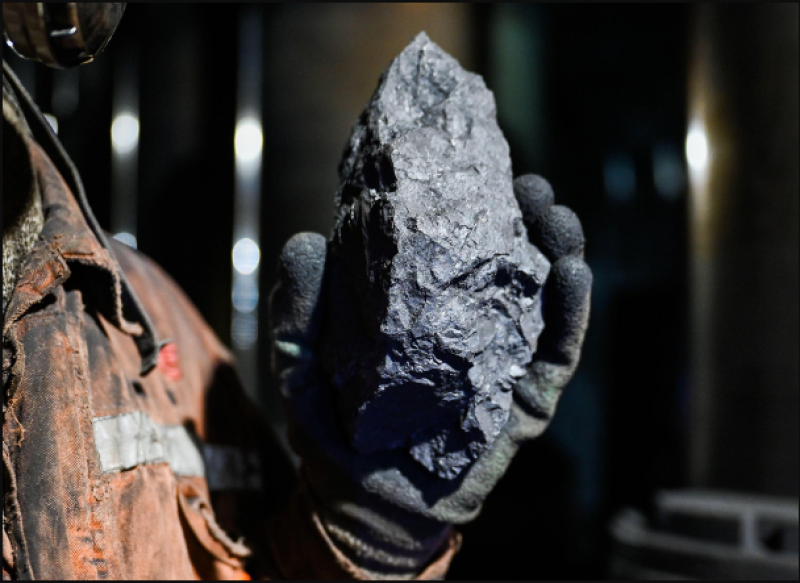
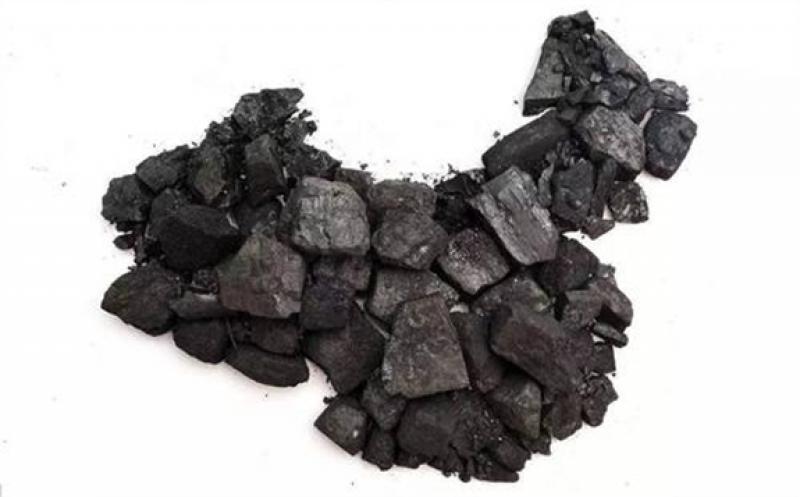
China’s top coal-producing region plans to build the country’s largest base for turning coal into oil, gas and chemicals to help reduce reliance on imports.
Inner Mongolia is also China’s top producer of renewable energy, making it a microcosm of the country's complicated energy transition, with a reliance on foreign oil sitting alongside a relative abundance of coal.
At the same time, the process of converting coal into petroleum products is a significant and growing source of carbon emissions, challenging China's climate goals.
"We are scaling up and strengthening the domestic production capacity of coal-to-oil, coal-to-gas and coal-to-chemical projects in order to increase the domestic self-sufficiency of oil and gas," Huang Zhiqiang, the number two official in the region, said at a press conference on Thursday without providing further details.
A growing industry found almost nowhere else, production is still small compared to the vast amount of oil and gas China imports. China’s production volume of gas, liquids and chemicals from coal in 2024 was enough to replace only about 6% of the gas and crude oil China imported that year.
However, production is growing and in May, China's environment ministry signed off on a 22.1 billion yuan ($3.3 billion), 800,000 metric-tons-per-year coal-to-olefin demonstration project in Ordos, Inner Mongolia. Olefin is a basic building block for plastics and chemicals.