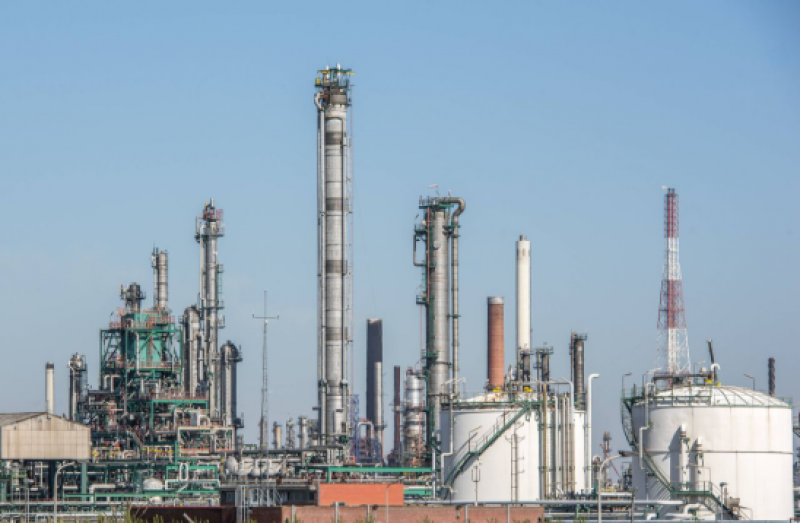
BASF has made significant progress on its large-scale industrial heat pump project at the Ludwigshafen site in Germany. A core component weighing 95 tons and approximately 16 meters long—a plate-type falling film evaporator—has arrived on-site and installation has begun. This key component was transported hundreds of kilometers by waterway from Schwedt on the Oder River to the site's port, then transferred to the construction location next to the steam cracker by heavy-duty truck.
Once completed, this industrial heat pump will become one of the world's leading facilities for emission-free steam production. The plate-type falling film evaporator plays a central role, capable of generating process steam free of oxygen to meet the stringent requirements of industrial applications. The generated steam will be fed into BASF's site-wide network and supplied to production plants as an energy carrier.
The successful delivery of this component marks the completion of a critical logistical step for the project. This component, designed by the Austrian company GIG Karasek, has been specifically adapted to the technical environment of the BASF site. Currently, the building infrastructure, including the unit hall and switchgear building, is complete, and most of the piping to the steam cracker is already in place.
This industrial heat pump will operate using electricity from renewable sources, producing up to 500,000 metric tons of carbon dioxide-free steam annually, providing a thermal output of approximately 50 megawatts. The steam will primarily be used for formic acid production and is expected to reduce CO₂ emissions by around 100,000 metric tons per year, with greenhouse gas emissions lowered by up to 98%. The heat pump utilizes waste heat from the steam cracker's cooling process for steam production, enhancing energy efficiency.
The industrial heat pump is scheduled to commence operation in mid-2027. The German Federal Ministry for Economic Affairs and Energy is supporting the project with up to 310 million euros in funding through the "Carbon Contracts for Difference" funding program.