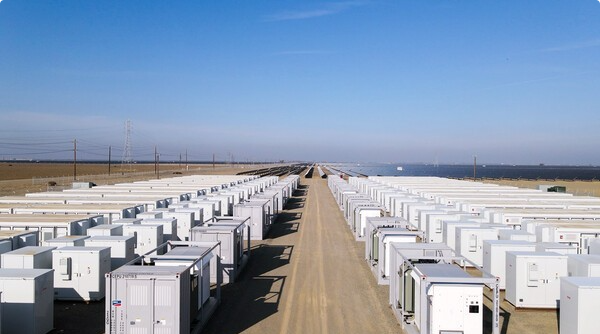
General Motors and battery partner LG Energy Solution announced on Tuesday that they are transforming an electric vehicle battery factory in Tennessee to produce batteries for energy storage systems.
Through the joint venture Ultium Cells, General Motors and LG will recall 700 laid-off employees to resume production in the second quarter of 2026. Earlier this year, due to the slowdown in electric vehicle sales, layoffs were made at the Tennessee plant and another Ultium plant in Ohio, and it is expected that the layoffs will continue until mid-2026.
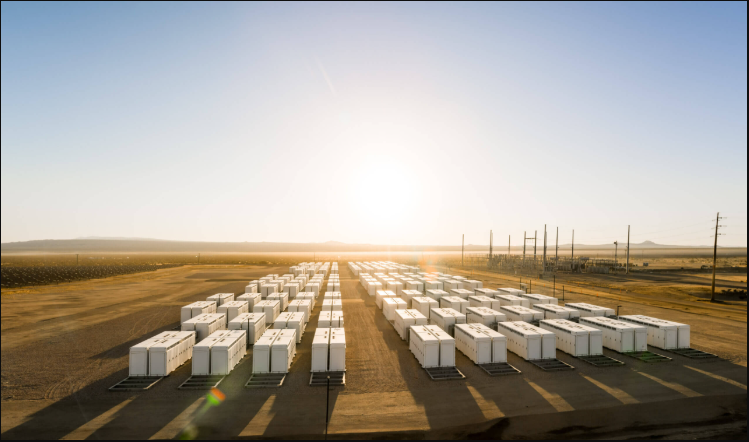
Battery manufacturers are seeking ways to address the issue of excess capacity in electric vehicle batteries, and energy storage has emerged as an important alternative solution. The growing demand from artificial intelligence data centers and other high-energy consumption applications has made energy storage a rapidly expanding market segment.
LG has begun to shift some of its electric vehicle (EV) battery production capacity to energy storage applications, while competitors including SK On have taken similar measures after former US President Donald Trump's policy shift led to a decline in demand for EVs.
General Motors has also reduced production of some electric vehicles, thereby reducing demand for batteries. The automaker sold its stake in a battery factory in Michigan to LG and slowed down the progress of a factory it is jointly building with Samsung in Indiana.
Kurt Kelty, Vice President of General Motors Battery, Powertrain and Sustainable Development, said in an interview with Reuters in January: "We don't have enough market demand to fill three factories." Kelty also pointed out that the energy storage market is facing a supply shortage.
This shift underscores the strategy of General Motors and LG to realign existing production capacity to meet high-demand applications outside the electric vehicle market, enabling both companies to benefit from the growth of energy storage systems.