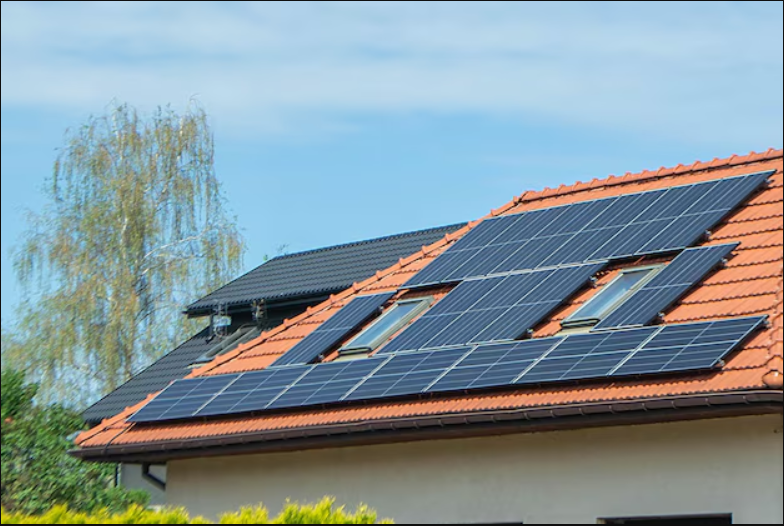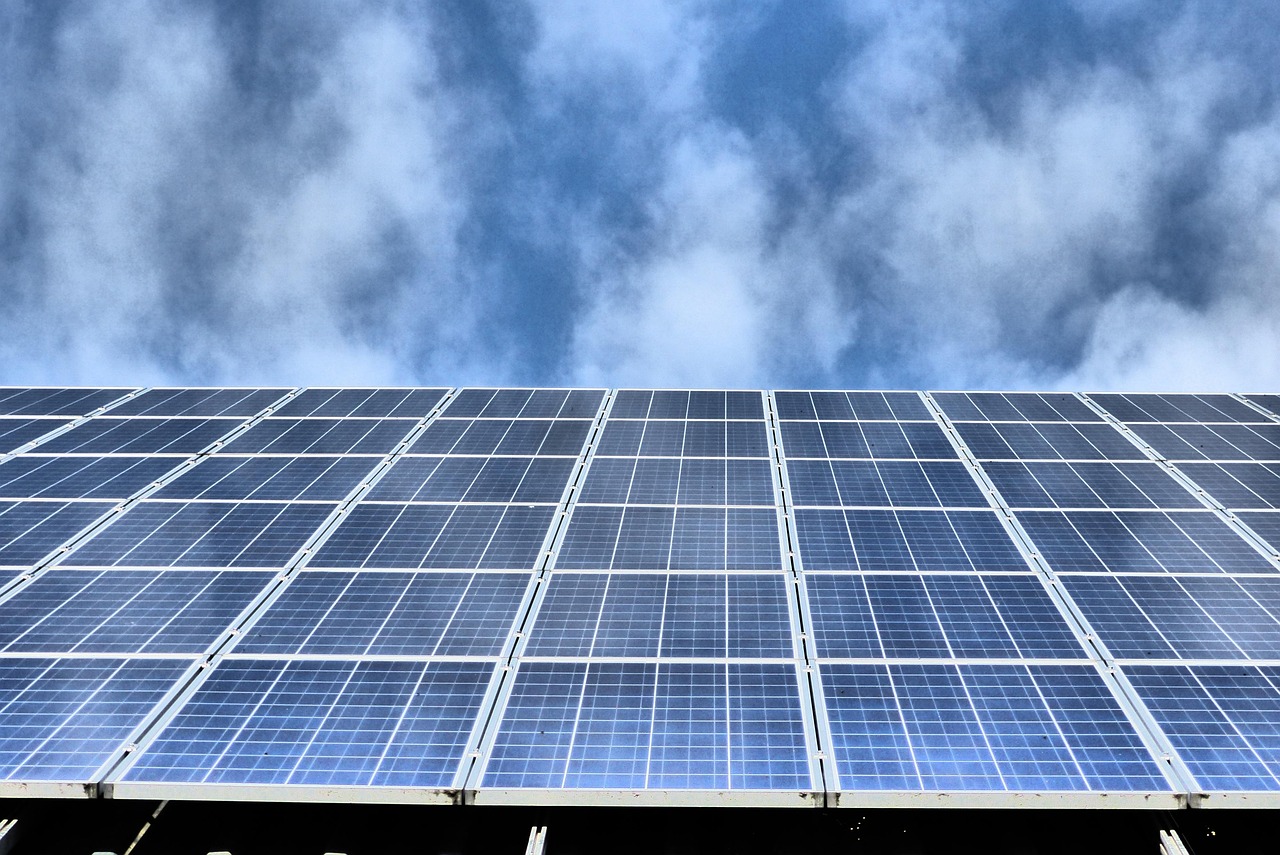
Under this plan, France will provide financial support for investments to expand domestic manufacturing capacity for net-zero technologies, promoting the development of the clean energy industry. Eligible clean technology areas cover several key sectors, including solar panels, offshore wind power, onshore wind power, heat pumps, and batteries. The measure further extends to key components of these systems and related critical raw materials, ensuring the integrity and self-sufficiency of the industrial chain. By covering everything from upstream raw materials to end-product manufacturing, the plan aims to build a more resilient clean technology supply chain and reduce external dependencies.
The aid will be provided in the form of tax credits and will be applicable throughout the entire French territory. This mechanism helps reduce investment costs for clean technology manufacturers and enhances their market competitiveness. The plan will remain in effect until the end of 2026, offering relatively long-term policy stability for relevant companies and facilitating the green economic transition.
In its statement, the European Commission indicated that the aid plan complies with EU state aid rules, particularly the relevant provisions under the 2025 Clean Industrial Deal framework. The Commission believes this measure will help advance the objectives of the European Green Deal while not unduly distorting competition within the EU's internal market. France stated that this move will accelerate the development of its domestic clean technology industry, create jobs, and contribute to Europe's overall climate goals.
Analysts point out that this aid plan reflects the competitive landscape among EU member states in the clean technology sector and embodies the EU's strategic intent to support the development of local green industries through policy tools. As global competition in clean technology intensifies, such state aid will play a crucial role in driving technological innovation and capacity expansion.