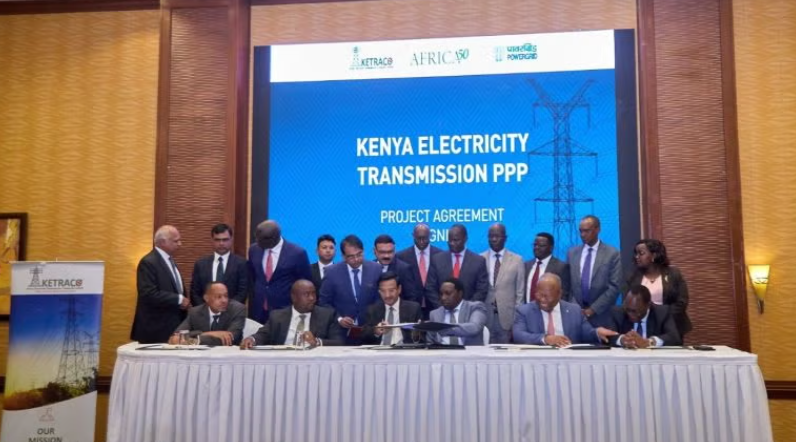
The initiative involves a public-private partnership, with the consortium responsible for designing, financing, constructing, operating, and maintaining the transmission lines and related substations. The Kenya Electricity Transmission Company Limited (KETRACO), a state-owned entity, serves as the contracting authority.
The project company will "undertake the entire lifecycle of the transmission infrastructure, from construction to operation—over a 30-year concession period", Africa50 said in a statement.
The two lines would "unlock cleaner, affordable, and more reliable power for millions of Kenyans," it said.
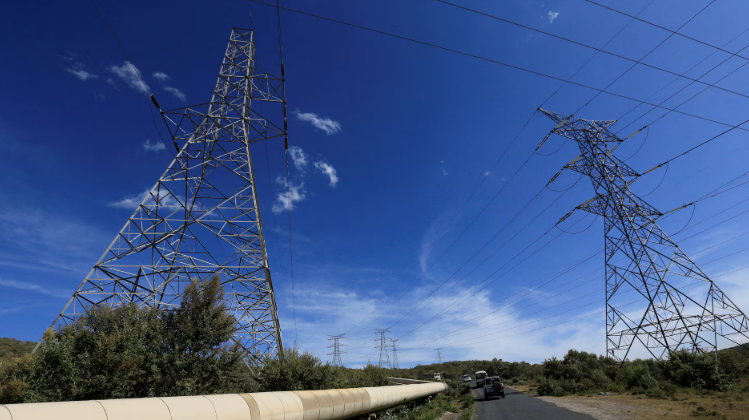
These lines include the 400kV Lessos–Loosuk corridor and the 220kV Kisumu–Musaga route, along with associated substations. The development aims to strengthen grid reliability in western and northern regions of Kenya, minimize technical losses and interruptions, and support the connection of renewable energy sources, such as geothermal and wind power projects.
According to the finance ministry, the effort will "enhance system stability, reduce technical losses and load shedding, and facilitate the integration of renewable energy."
Kenya has increasingly adopted public-private partnerships to fund infrastructure developments amid constraints on public financing. This approach allows mobilization of private capital and expertise for essential projects.
The agreement aligns with national plans for power development and transmission expansion, contributing to improved electricity access and efficiency.