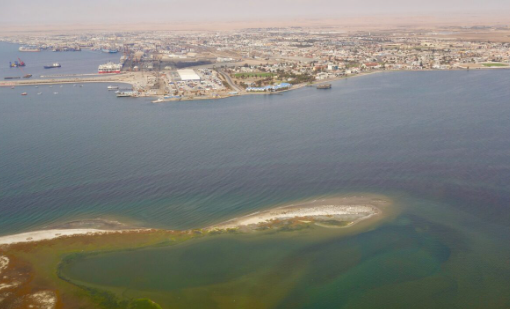
Walvis Bay, Namibia
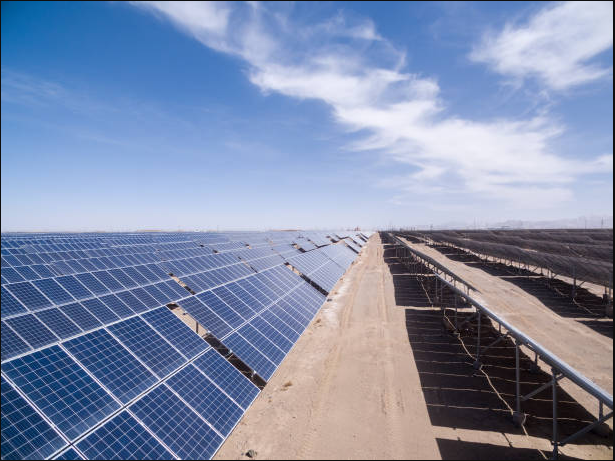
The solar project is part of the broader Zhero Molecules Walvis Bay (zMWB) initiative, spanning three areas near Walvis Bay, Namibia’s second-largest city. The solar farm will occupy approximately 5,300 hectares of farmland, providing renewable energy for green hydrogen and ammonia production. A separate area will host electrolyzers, desalination systems, ammonia synthesis equipment, and battery storage, while a third area in Walvis Bay will include ammonia storage and port facilities. The project includes 110 kilometers of overhead transmission lines, substations, and access roads to connect the solar plant to the hydrogen and ammonia production facilities.
“The Solar PV site is strategically located in a semi-desert area with high solar radiation and minimal biodiversity as well as being situated near key towns like Walvis Bay, the biggest port in the country,” the Environmental and Social Management Plan (ESMP) states. “The project will contribute to regional and national economic growth through job creation and promoting socio-economic development.”
The ESMP recommends regular environmental inspections by MEFT to ensure compliance with ECC conditions and to monitor the effectiveness of mitigation measures, supporting the project’s long-term sustainability. The 3 GW solar plant is the largest of its kind under development in Namibia, significantly expanding the country’s renewable energy capacity, which stood at 163 MW at the end of 2024, according to the International Renewable Energy Agency (IRENA).
The initiative aligns with Namibia’s goals of advancing sustainable energy and economic development. By producing green hydrogen and ammonia, the project is expected to enhance the region’s role in the global renewable energy market while fostering local job opportunities and infrastructure growth.