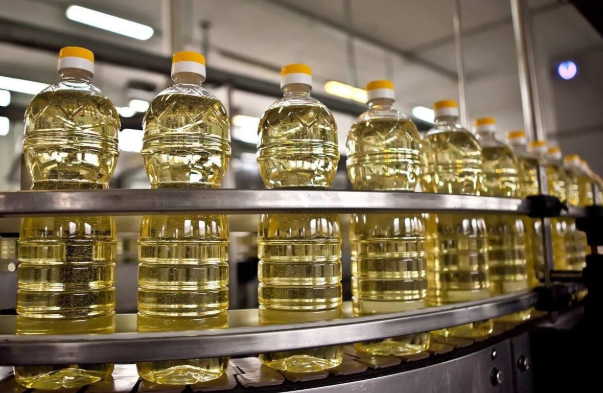
Refined sunflower oil production also rose significantly, reaching 148,100 tons, a 20% increase from the previous season. Other oils showed notable growth: rapeseed oil increased by 32%, soybean oil by 28%, and flaxseed oil by 103%, reflecting strong performance across Kazakhstan’s oilseed sector.
“The record production highlights the success of our efforts to expand oilseed cultivation and processing,” said an NAOPK representative. “These gains support both domestic needs and export opportunities.”
The NAOPK attributes the production surge to expanded sown areas and enhanced processing capabilities. Sunflower seed sowing areas grew to 1.8 million hectares, up from 1.28 million hectares the previous year, leading to a projected record harvest of 1.8 million tons after processing. Other oilseed crops also saw significant increases: flax expanded to 1.3 million hectares (from 972,000), rapeseed to 328,000 hectares (from 154,000), and safflower to 411,000 hectares (from 377,000).
Kazakhstan’s current oilseed processing capacity stands at 5 million tons annually, with 4.1 million tons dedicated to sunflower seeds. Plans are in place to increase this to 6.5 million tons by 2028, with sunflower processing capacity rising to 5.5 million tons. “Expanding our processing infrastructure is key to meeting growing demand,” an NAOPK spokesperson noted.
The northern regions of Kostanay, Akmola, and North Kazakhstan hold untapped potential for further growth, as sunflower cultivation currently accounts for only 5% of crop rotation, well below the recommended 17%. This offers opportunities to boost yields and production in these areas.
The NAOPK forecasts continued growth in oilseed output, driven by increased cultivation and modernized processing facilities. These developments strengthen Kazakhstan’s position in the global oilseed market, supporting both domestic consumption and export growth while contributing to sustainable agricultural practices.