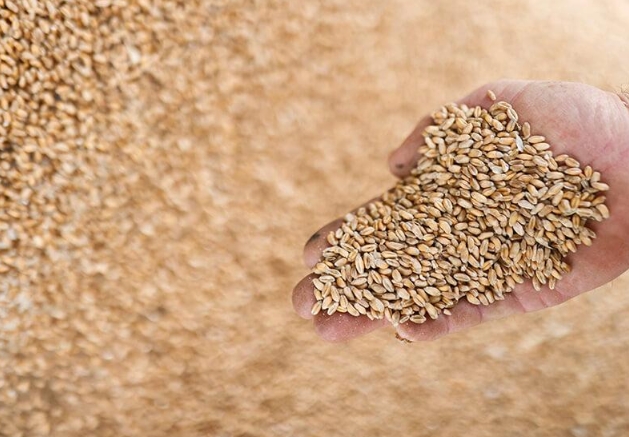
From January to May 2025, wheat exports rose significantly, increasing 1.5 times year-on-year to reach 3.2 million tons. The total revenue generated from these exports amounted to $652.2 million.
Uzbekistan remained the top importer, purchasing 1.3 million tons of wheat, an increase of 19.3% over the same period last year. Tajikistan followed with 498.7 thousand tons, representing a 26% increase. Exports to Italy also saw notable growth, reaching 292.5 thousand tons—1.5 times higher than the previous year. Additional shipments included 103 thousand tons to Afghanistan (up 1.8 times) and 101.2 thousand tons to Kyrgyzstan (a 26.6-fold increase).
Other importing countries during the first five months of the year included Azerbaijan (468.8 thousand tons), Morocco (158.6 thousand tons), Algeria (90.4 thousand tons), and Georgia (64.1 thousand tons). Notably, these destinations had not received any wheat shipments during the same period last year.
Smaller volumes of wheat were also exported to several countries including Turkmenistan, Belgium, Vietnam, Denmark, Egypt, Iraq, Iran, China, Latvia, the Netherlands, Norway, the UAE, Poland, Portugal, Turkey, and Russia. These shipments represent a diversification of export markets and reflect broader international demand.
In contrast, wheat imports declined sharply, dropping 5.5 times compared to the same period in 2024, totaling just 212.7 thousand tons. Of this, 209.3 thousand tons originated from Russia, indicating that Russia remained the primary supplier. A limited quantity of wheat was also imported from European countries and China.
Overall, the data highlights an expanding domestic wheat supply and strong export performance, particularly to neighboring Central Asian countries and new international markets. Meanwhile, reduced import volumes suggest a greater reliance on local production to meet domestic demand.