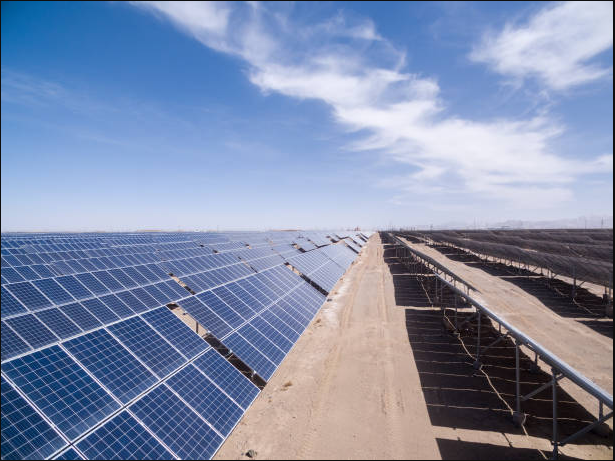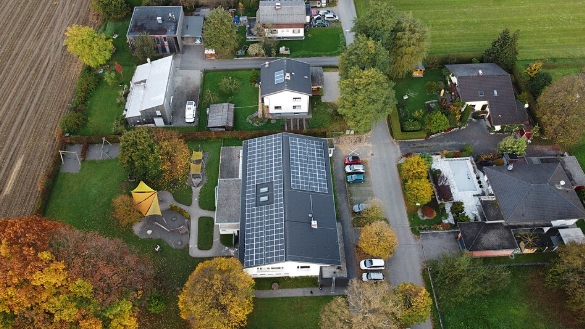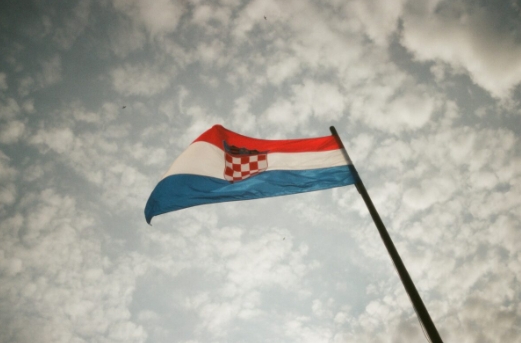
The self-supply sector, particularly households and public institutions, is driving significant growth. Subsidies from the Environmental Protection and Energy Efficiency Fund covered up to 50% of installation costs in early 2025, supplemented by local incentives from counties and municipalities. The commercial and industrial sector also grew, supported by co-financing from the Modernization Fund. However, RES Croatia noted: “The utility-scale segment remains largely stagnant due to regulatory barriers,” with only two utility-scale solar plants, totaling 17.5 MW, connected to the transmission grid in the first half of 2025.
Regulatory challenges continue to hinder progress. A unit grid connection fee for the transmission grid, mandated since 2022, has not been implemented, stalling around 50 projects—mostly solar—with a combined capacity of 3 GW. Energy storage development faces restrictive provisions, and RES Croatia is advocating for a clear regulatory framework and incentive programs for battery storage systems. The association highlighted: “The second half of the year is expected to bring further legislative changes, which we hope will be more favorable for both citizens and large-scale producers.”
While amendments to Croatia’s Renewable Energy Sources and High-Efficiency Cogeneration Act in early 2025 introduced some improvements, key aspects of the EU RED III Directive, aimed at accelerating renewable energy deployment, remain unaddressed. RES Croatia emphasized the need for streamlined regulations to support both household and utility-scale projects. Preparations for a national support scheme for renewables began in 2025, signaling potential progress.
Croatia’s solar market benefits from strong household adoption and public sector involvement, but unlocking the full potential of utility-scale projects requires overcoming regulatory hurdles. With ongoing legislative efforts, the country aims to enhance its renewable energy infrastructure and meet growing electricity demands sustainably.