To achieve this, Sonnex Energie has partnered with Solar EPC Development Ltd., a local developer, forming a joint venture named Sonnex Energie (Bangladesh). The agreement was formalized at a recent signing ceremony in Dhaka, as confirmed by company officials. The collaboration is set to leverage local expertise and resources to ensure the project’s success.
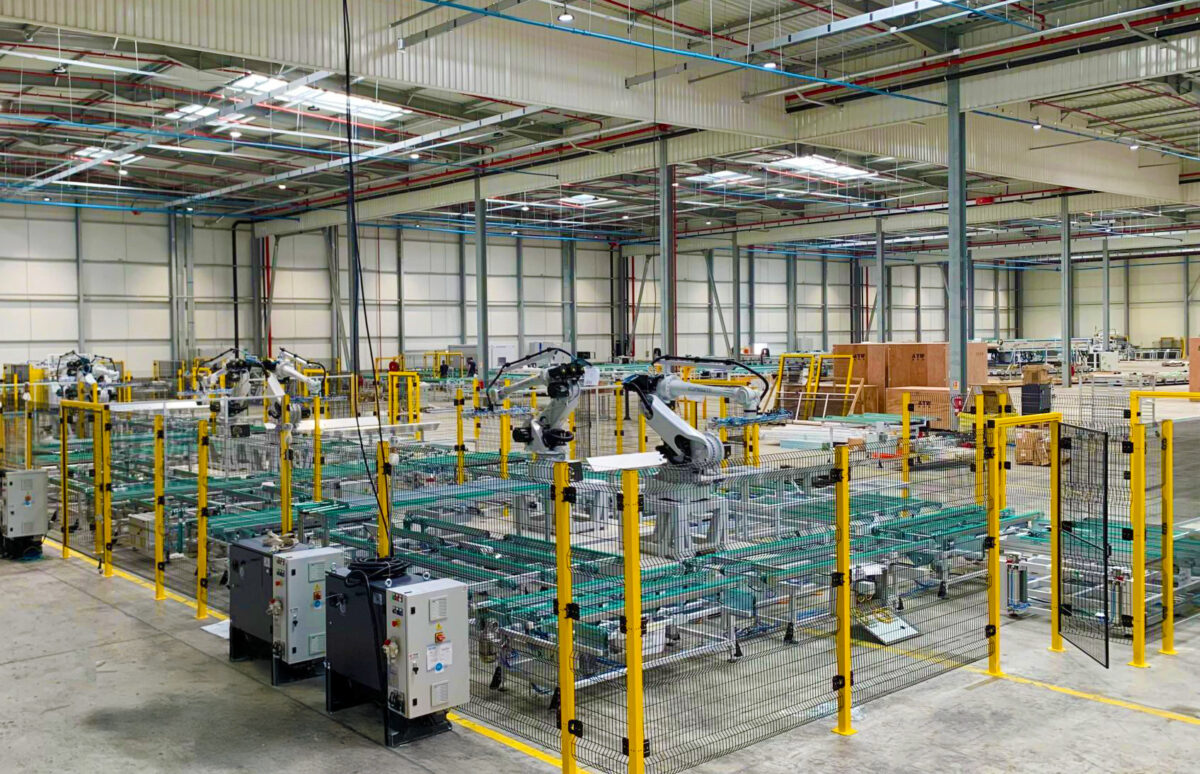
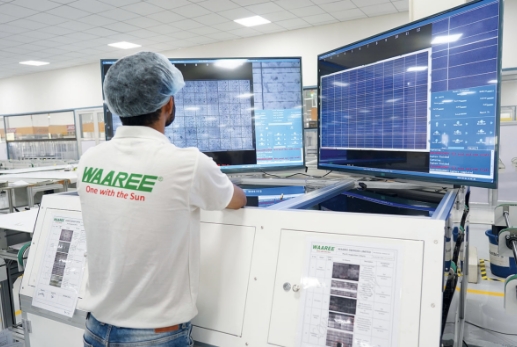
The factory will feature advanced facilities, including automated assembly plants, cutting-edge testing laboratories, and technical training centers focused on solar technology. Sonnex Energie also plans to expand the facility’s capacity to a gigawatt scale by 2035, though specific details on the target capacity were not provided. To support efficient operations, the venture will establish local logistics hubs and warehousing infrastructure to enhance supply chain reliability. Additionally, the project will include expanded after-sales and operations and maintenance (O&M) networks to ensure long-term system performance and customer satisfaction.
Eric Lee, managing director of Sonnex Energie GmbH, Asia, spoke to pv magazine about the strategic importance of the project: “The establishment of a 500 MW solar module manufacturing facility in Bangladesh will strengthen the company’s positioning in Asia while contributing to the local economy and the global clean energy transition.” He emphasized that setting up a local manufacturing hub will provide strategic market access, foster regional expansion, and improve cost competitiveness.
Ezaz Al Qudrat A Mazid, managing director of Solar EPC Development Ltd., highlighted the broader impact of the initiative: “Establishing local manufacturing and assembly plants will cut import reliance, lower tariff and transport costs, and boost supply chain resilience.” He added that the project aims to position Bangladesh as a key solar manufacturing hub, serving not only local demand but also regional and global markets.