According to the PJM 2025 Long-Term Load Forecast, electricity demand in the region is projected to grow by nearly 40% over the next 14 years. In March 2025, the NJBPU and the Governor’s Office released modeling for the 2024 Energy Master Plan, highlighting the need for clean, reliable capacity to ensure system stability beyond 2035.
Governor Phil Murphy stated: “New Jersey is committed to addressing the regional cost crisis. As part of my Administration’s all-of-the-above energy strategy, we continue to explore ways to bring online new sources of electricity generation and improve and expand our nuclear fleet to grow the supply of resources as the U.S. faces increasing demand. At the same time, we’re pushing PJM Interconnection to bring new resources online faster and reduce prices.”
Christine Guhl-Sadovy, president of the NJBPU, said: “New Jersey, and the region, need more electricity, and since day one of the Murphy Administration, our commitment to supporting our existing nuclear fleet has never waned. As we work to push PJM to improve their interconnection queue to allow more resources like solar and storage to be built in the short-term, expanding our nuclear fleet offers the Garden State an opportunity to add new generation to our resource mix, improving reliability and affordability for ratepayers in the long-term.”
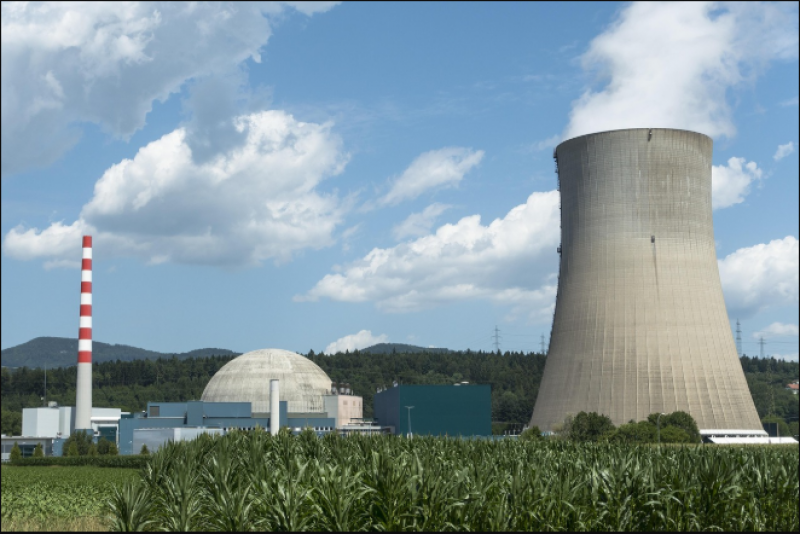
New Jersey currently operates three nuclear reactors—Salem 1, Salem 2, and Hope Creek—which produce 40% of the state’s electricity and 85% of its emission-free generation. These third-generation (Gen III) reactors are critical to the state’s energy mix. The NJBPU sees potential in newer nuclear technologies, such as Gen III+ Light Water Reactors and advanced reactors, including small modular reactors (SMRs), to meet future energy needs.
The RFI aims to identify opportunities for new nuclear development to enhance resource adequacy and reduce electricity costs for consumers. By exploring innovative nuclear technologies, New Jersey seeks to strengthen its clean energy portfolio while ensuring a reliable power supply for the region’s growing demands.