The Bank of England will stop accepting bonds linked to thermal coal as collateral for key lending arrangements from October, in a move welcomed by climate campaigners as a significant signal to financial markets.
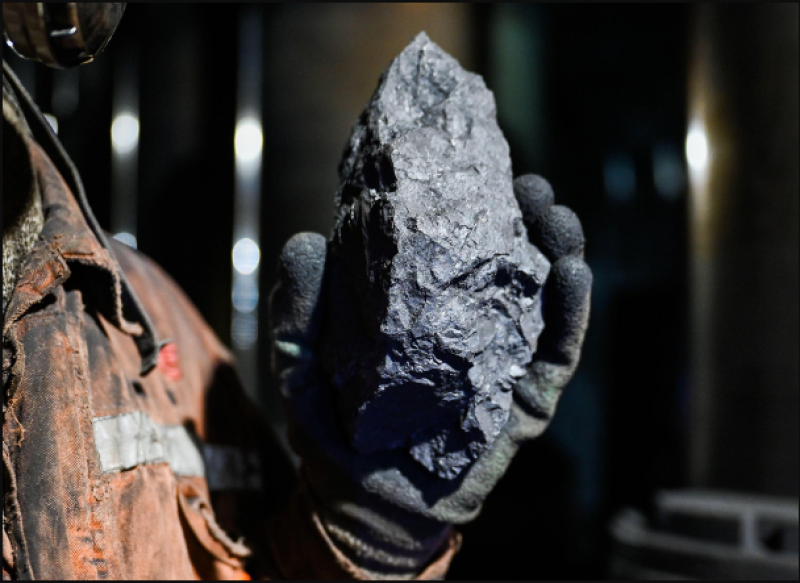
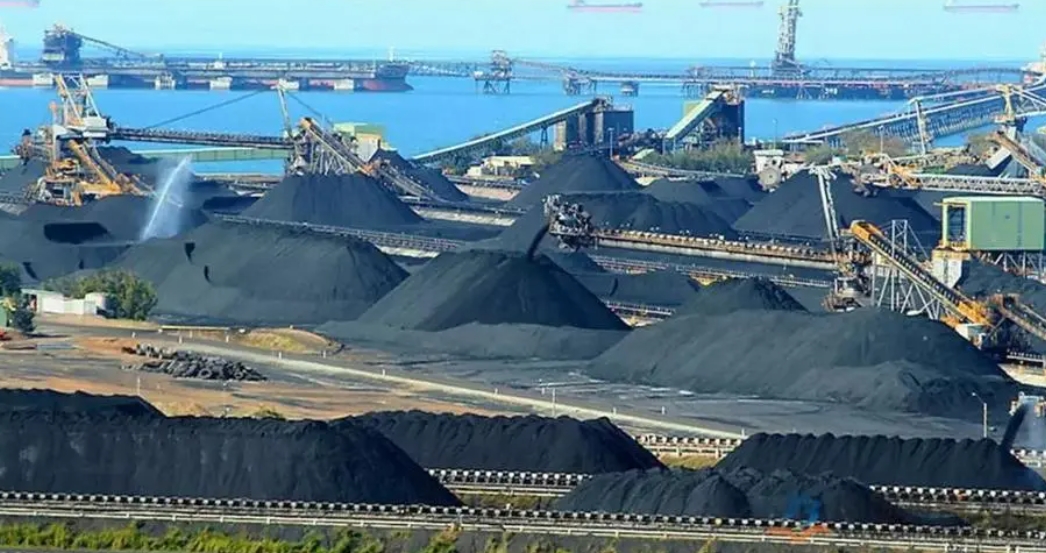
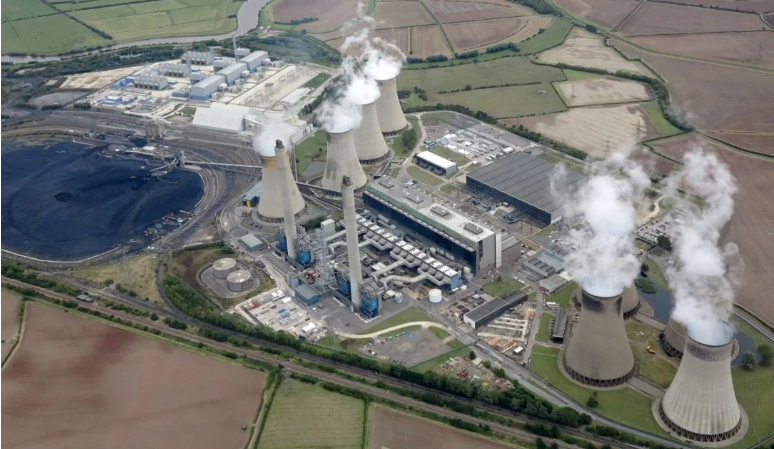
The policy targets thermal coal, one of the world’s most polluting fossil fuels, which is burned in power plants to generate electricity. The central bank said companies connected to thermal coal may face financial risks as the economy shifts toward net zero, suggesting such assets could lose value as the global energy transition accelerates.
Commercial banks, including major lenders such as Barclays, Lloyds, NatWest and HSBC, regularly borrow from the Bank of England to settle transactions and support smooth operations. They must provide collateral, usually in the form of bonds, which the central bank can retain if loans are not repaid.
The new rule means bonds linked to thermal coal will no longer be eligible in these arrangements. The Bank also said it would apply discounts to the value of bonds in other relevant sectors to protect itself against financial risks.
Climate advocates said the decision could pressure commercial banks to reconsider holding thermal coal-related assets on their balance sheets. According to figures published last September by the Paris-based nonprofit Reclaim Finance, about 150 of the world’s largest financial companies already have some restrictions on their business with the thermal coal industry.
Ellie McLaughlin, senior policy and advocacy manager at Positive Money, told the Guardian that the decision was “a strong signal from a central bank, and to the market as well.” She added that the Bank of England had been less vocal about its climate-related work in recent years.
The policy is stricter than those adopted by many of the Bank’s western counterparts, including the European Central Bank. However, campaigners said its impact would depend on how it is implemented.