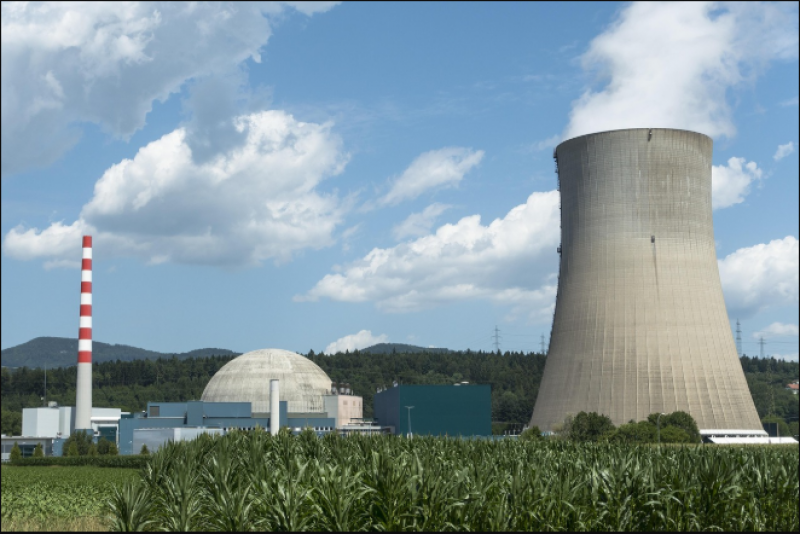
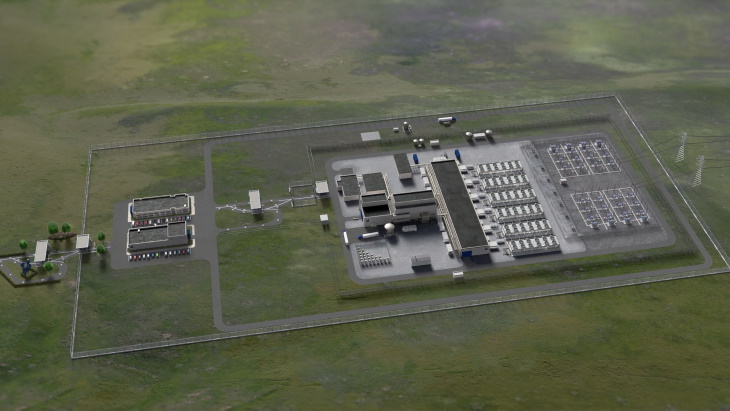
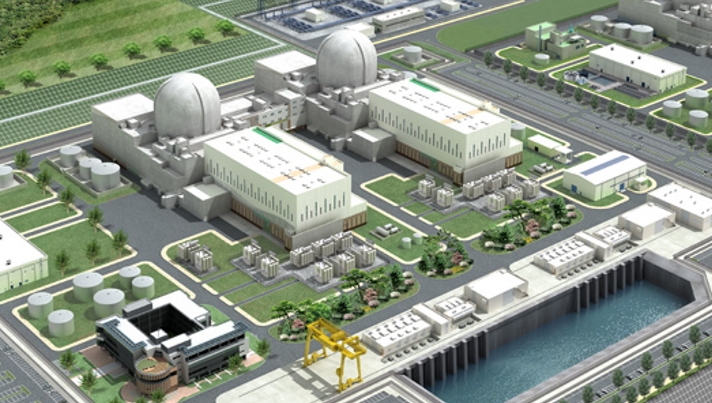
The two new large reactors will be the 33rd and 34th nuclear reactors in the country. The SMR, which will be the first of its kind domestically, is a small reactor with half the output of a large-scale reactor. It is a next-generation reactor that is prefabricated in a factory and assembled on-site. It is expected to reduce construction periods and costs, has fewer site constraints, and is gaining attention as a power supply source for the AI era.
KHNP plans to complete basic surveys, on-site inspections, and evaluations by an external expert committee by June, followed by a final selection. Sites will be evaluated on 100 points: 25 points each for site suitability, environmental impact, construction feasibility, and public acceptance. The SMR aims for commercial operation in 2035, while the two large reactors target 2037–2038.
Ulju-gun, which applied for the large reactor, highlights its experience in hosting the Saeul Nuclear Power Plant and the strong electricity demand from nearby industrial complexes. Yeongdeok-gun is considered advantageous due to the remaining site of the Cheonji Nuclear Power Plant, which was scrapped during the Moon Jae-in administration.
Gyeongju and Gijang-gun, which applied for the SMR, have historical ties to nuclear power. Gyeongju hosts KHNP’s headquarters, the Wolsong Nuclear Power Plant, and a low- and intermediate-level radioactive waste disposal facility. It is expected to benefit from the SMR model being developed under KHNP’s leadership. Gijang-gun, home to the Kori Nuclear Power Plant, is evaluated as having infrastructure suitable for SMR integration.
KHNP plans to complete site surveys for the four applicants by the first half of the year, with the final selection expected by the end of June. The large reactors will undergo environmental impact assessments and construction permit applications by 2029, aiming for commercial operation in 2037–2038. The SMR will acquire standard design certification by 2028, secure construction permits by 2030, and begin operation in 2035.