The China Spallation Neutron Source (CSNS), a major national scientific facility in Dongguan, Guangdong province, has successfully achieved mass production of three key medical alpha isotopes, marking a breakthrough in the development of next-generation radiopharmaceuticals in China. The annual output is expected to support treatments for over one million patients by 2031.
Alpha isotopes, often referred to as the "nuclear warhead against cancer," are known for their high-energy, short-range properties that allow precise destruction of cancer cells while minimizing damage to healthy tissue. However, their separation and purification have long posed significant technical challenges, leading to China's reliance on costly and unstable global supply chains.
"Nearly five million new cancer cases are diagnosed in China each year, accounting for one-quarter of the global total, with a mortality rate exceeding 50 percent," said Wang Sheng, director of the Spallation Neutron Source Science and professor at the Institute of High Energy Physics of the Chinese Academy of Sciences. He explained that alpha isotopes emit radiation capable of breaking both strands of a cancer cell's DNA, causing irreversible damage. Additionally, they can induce a "bystander effect," leading to the death of nearby cancer cells not directly exposed to the radiation, making them highly valuable for targeted therapy in advanced-stage tumors.
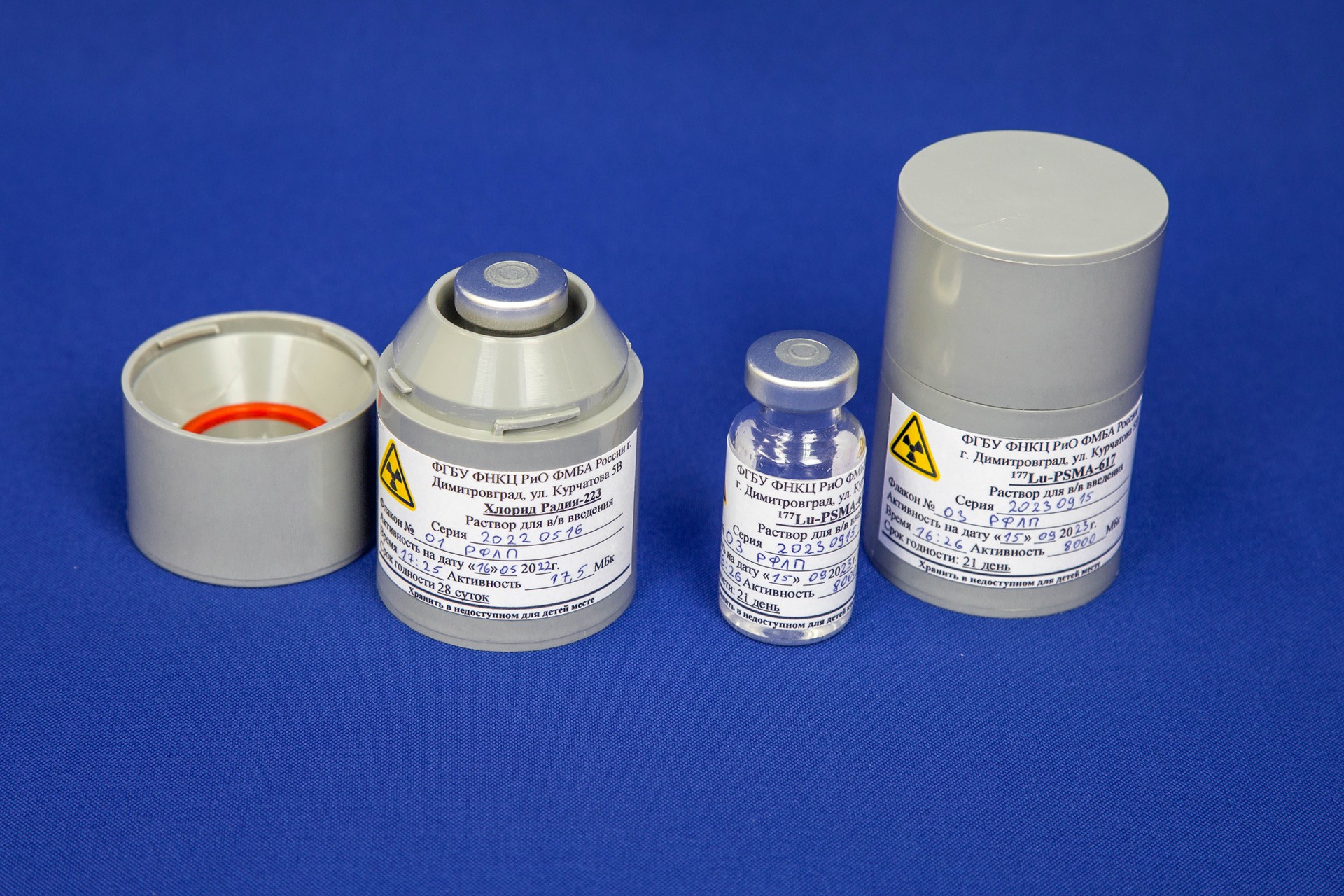
Wang's team utilized the CSNS to harness excess beam current from its high-energy linear accelerator to irradiate a stacked thorium target, the raw material for isotope production. Through a self-developed separation and purification process, scientists extracted radium-223, actinium-225, and lead-212 from hundreds of isotopic species produced. These isotopes have demonstrated excellent efficacy in treating prostate cancer and neuroendocrine tumors, with tests confirming a radionuclide purity exceeding 99 percent, comparable to imported products.
"Compared with traditional nuclear reactors, the CSNS produces alpha isotopes without relying on neutron irradiation, eliminating the proliferation risks of highly enriched uranium. It also offers flexible production capacity, broader access to raw materials, and significantly lower costs," said Professor Dai Xiongxin, who is responsible for the alpha isotope industrialization project.
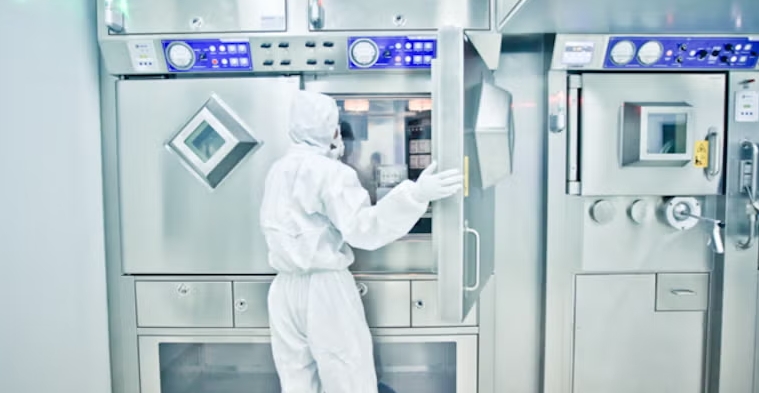
On March 28, the Spallation Neutron Source Science Center signed a cooperation agreement with the China Isotope & Radiation Corporation to accelerate the transition of China's self-developed alpha radiopharmaceuticals from laboratory research to clinical application. The center is advancing the construction of a dedicated alpha isotope production line, which, once completed, will have an annual production capacity capable of supplying raw materials for nearly one million patient doses. This expansion is expected to significantly reduce costs, making these treatments more accessible and affordable for patients.
Given the short half-life of these isotopes, which makes long-distance transportation impractical, the project may foster a full-chain industry for targeted alpha therapies in Guangdong in the future, covering raw material production, drug manufacturing, and distribution, Dai added.