South Korean President Lee Jae-myung on the 24th ordered public institutions to implement a five-day vehicle rotation system based on license plate numbers and urged private companies to adopt energy-saving measures. In response, major corporations have announced internal initiatives to reduce power consumption.
SK Group, South Korea’s second-largest conglomerate, stated on the 25th, “To overcome the energy crisis, we will enforce the vehicle rotation system across all domestic business sites and encourage employee participation.” The system, set to begin on the 30th, restricts vehicle use according to the last digit of license plates, with exemptions for electric and hydrogen vehicles, as well as those transporting disabled individuals, pregnant women, or preschool-aged children.
The group is also promoting daily operational energy savings, such as mandatory lighting shutdowns during lunch breaks and after work hours. Elevators will operate on alternate floors, with restricted access to floors 3–4 and below.
LG Group is reviewing additional measures to bolster existing energy-saving programs. At business sites, including the LG Twin Towers in Yeouido, Seoul, an automated lighting system turns off office lights during lunch breaks and after a set period post-work to minimize waste. Shuttle buses have been introduced along major commuting routes to discourage private vehicle use.
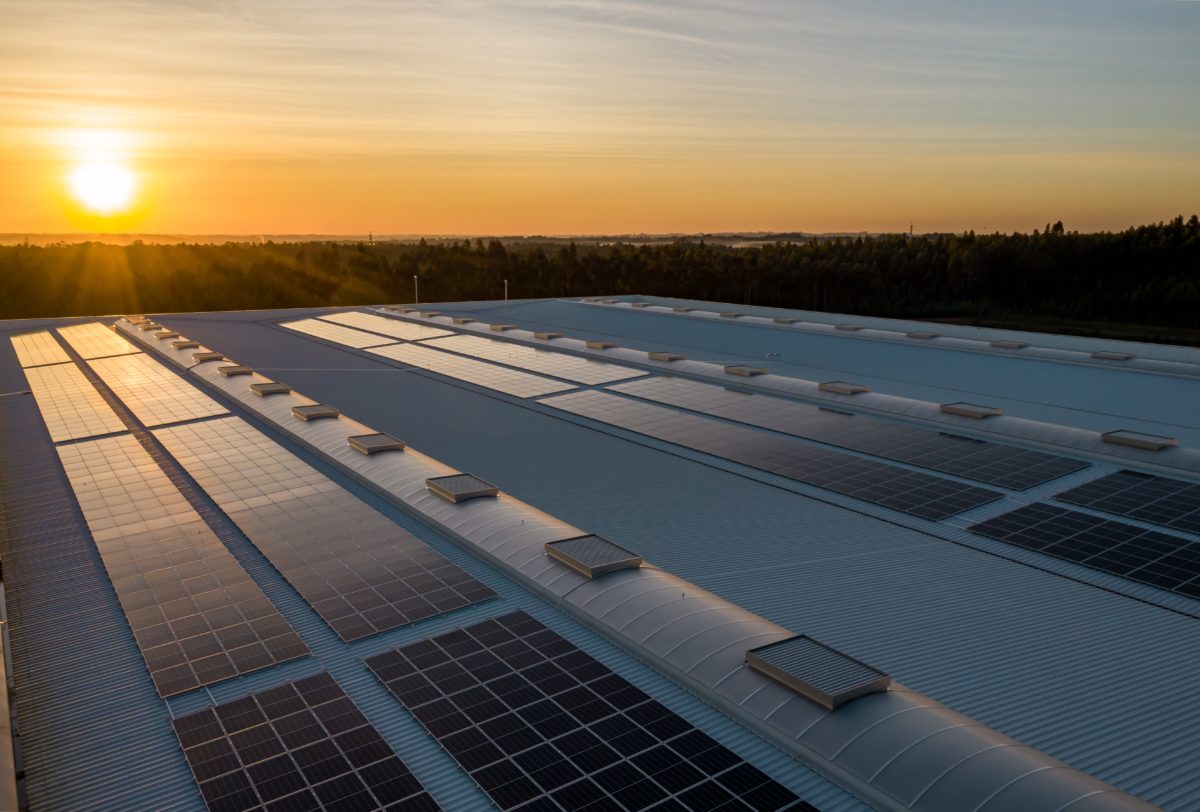
LG Electronics has implemented a real-time energy monitoring system across all facilities to optimize efficiency. At its LG Smart Park in Changwon, Gyeongnam Province, rooftop solar panels on an integrated production building expand renewable energy capacity. Employees regularly participate in campaigns to check for unused lights and switch off equipment.
GS Group also announced on the same day it would voluntarily adopt the five-day vehicle rotation system, excluding eco-friendly vehicles and those transporting disabled individuals, pregnant women, or infants.