The North African country is expanding desalination capacity to secure reliable water supplies and support its position as a major producer and exporter of fruits and vegetables. Prolonged dry conditions have significantly reduced reservoir levels and groundwater reserves.
Speaking on Thursday during the World Water Congress in Marrakech, Minister Baraka said Morocco plans to reach an annual production of 1.7 billion cubic metres of desalinated water by 2030 through projects already under construction and new facilities that will go to tender from next year.
The largest upcoming project, located near Tiznit (615 km south of Rabat), will require around 10 billion dirhams ($1 billion) in investment and deliver 350 million cubic metres per year to serve urban areas and agricultural regions in the country's main food-producing zone.
"Studies are underway as part of preparations for the plant’s tender, to be announced by mid next year," Baraka said.
Additional desalination plants are planned for Nador, Tangier, Rabat (in partnership with France's Veolia), and Tantan, where authorities are also studying the construction of a dedicated port for green hydrogen and ammonia exports.
Currently, Morocco operates 17 desalination plants with a combined output of 345 million cubic metres annually. Four more facilities, including a large one in Casablanca, are under construction and will add 540 million cubic metres of capacity by 2027.
"All new desalination plants will be powered by renewable energy," Baraka said.
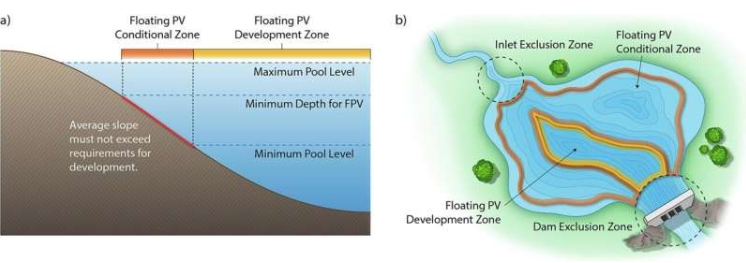
To reduce water loss from evaporation – which accounts for about 30% of surface water nationwide – Morocco has installed floating solar panels on a reservoir near Tangier.
"The experiment will be expanded to include dams in the south and mountainous regions," Baraka said.
These measures form part of a broader national strategy to adapt to changing climate conditions and ensure long-term water security for households, industry and agriculture.