The European Commission has given the green light to a €5 billion Danish state aid scheme aimed at bolstering offshore wind development.
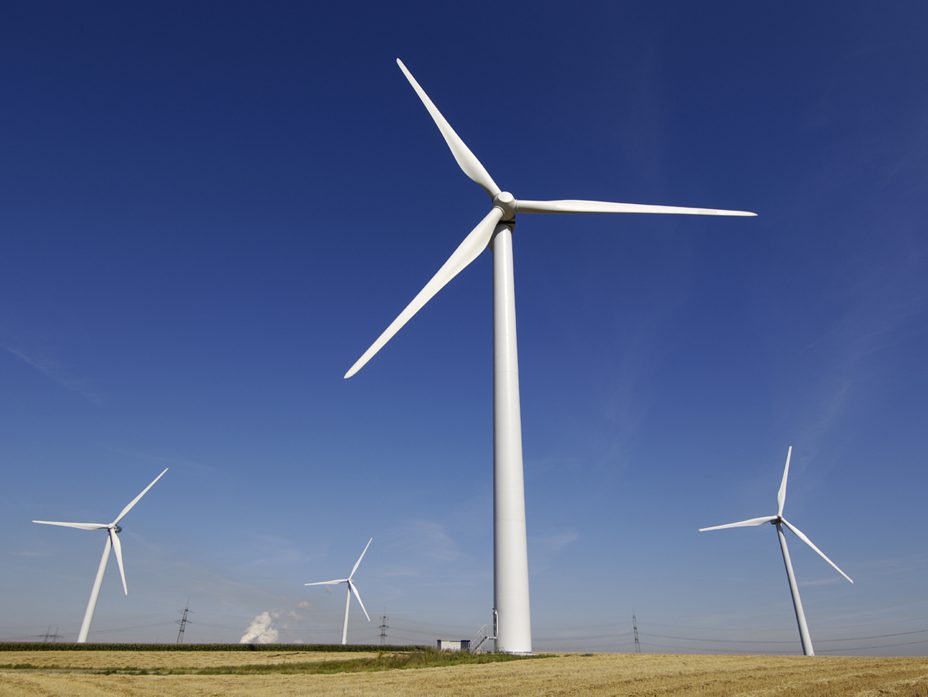
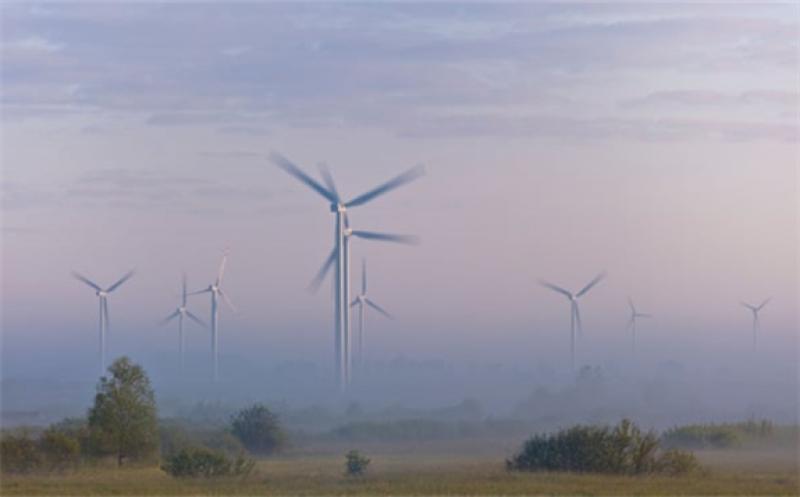
Approved under the EU's Clean Industrial Deal State Aid Framework (CISAF), this measure will back the construction and operation of two offshore wind farms: Hesselø and North Sea I Mid (Nordsøen I Midt).
According to the Commission's press release on 23 March, the two projects are projected to have a combined capacity of roughly 1.8 GW and generate about 7.8 TWh of electricity annually. This output is equivalent to approximately 25 percent of Denmark's electricity production in the previous year.
Under the scheme, aid will be provided through a two-way contract for difference (CfD) in the form of a monthly variable premium. The premium calculation involves comparing the bid price to a reference market price, weighted by the offshore wind farm's monthly capacity. When the reference price is lower than the bid price, offshore wind farm owners will receive payments. Conversely, they will pay the Danish authorities when the reference price exceeds the bid price.
The scheme is set to run for 20 years, supporting both the construction and operation phases of the wind farms.
In 2023, Denmark suspended its "open door" offshore wind scheme pending clarification of compliance with EU state aid rules. Since then, the country has been actively working on its offshore wind framework, including advancing CfD-based tenders.
In November 2025, the Danish Energy Agency (DEA) launched CfD-based tenders for three offshore wind areas: North Sea Mid, Hesselø, and North Sea South (Nordsøen Syd). The deadline for bids for North Sea Mid and Hesselø is set for the spring of 2026.