ABB CEO Morten Wierod stated, "This investment in India is an important part of our strategy to support infrastructure development and growth in one of our fastest-growing markets." He added, "We see strong demand driven by the country's energy transition, grid modernization, data center development, and rapid expansion in metro and high-speed rail sectors." The company has cumulatively invested over $230 million in India, with its Indian business revenue exceeding $1.5 billion in 2025, accounting for approximately 4% of the group's total revenue.
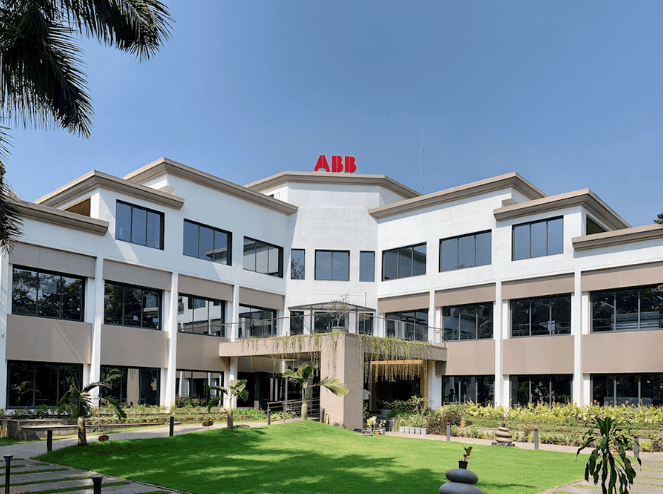
In the Peenya Industrial Area of Bangalore, ABB invested $21 million to expand manufacturing capacity for producing low-voltage drives and specialized motors for renewable energy and industrial applications. Concurrently, in Vadodara, $6 million was invested to expand production areas to meet the demands of industries such as metals, cement, and wind energy. ABB also invested $14 million in its dual-campus facility in Nelamangala, Bangalore, to enhance local design and manufacturing capabilities for producing electrical protection technologies and converters, supporting electric mobility and renewable energy integration.
With India's emergence as a clean energy manufacturing hub, ABB's new facilities will serve both domestic and international markets. A McKinsey 2025 report indicates a significant increase in India's share of global manufacturing, with electronics exports to the U.S. projected to grow from $10 billion to $80 billion by 2030. Over the next three to five years, ABB plans to expand its business in high-speed rail, metro electrification, and grid-connected energy solutions, continuing investments in offices and laboratories in Hyderabad and Nashik to support India's transition to an electrified, efficient energy economy.