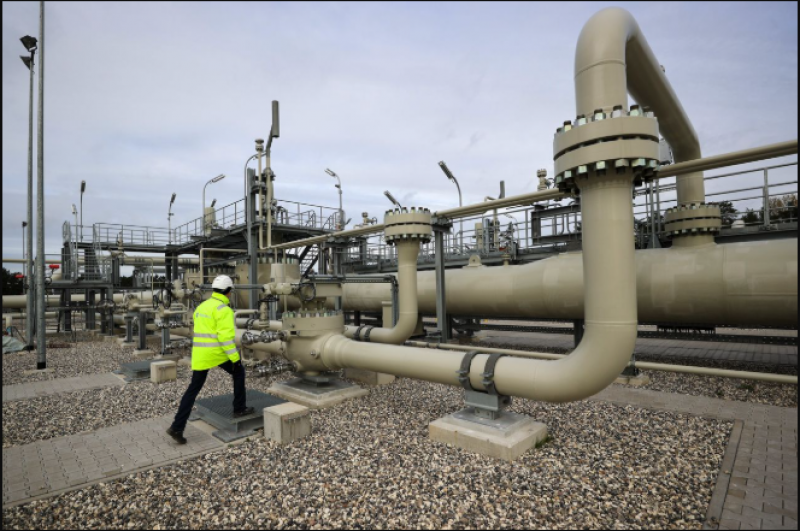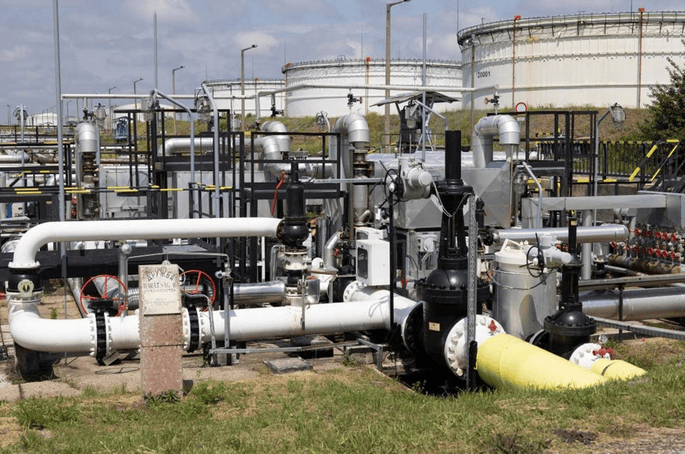
Kaleykino serves as a key blending and scheduling hub with a daily pumping capacity of around 1 million barrels, supplying crude to the Druzhba pipeline network and export routes to the Baltic port of Primorsk and the Black Sea port of Novorossiysk. The hub is also responsible for blending various crude streams into the Urals export grade.
The northern and southern legs of the Druzhba system have a combined daily capacity of about 1.4 million barrels, making it one of Russia's crucial export arteries to the West. The halt in southern flows, combined with throughput constraints at Kaleykino, further limits the scope for crude reallocation.
The 250,000 bpd intake cut does not directly equate to an equivalent loss in exports but indicates the system is operating below capacity. When a hub like Kaleykino slows down, upstream producers may reduce flows or divert crude into storage. Sources noted that Tatneft's shipments are among the most significantly affected.
This disruption compounds existing issues on the Druzhba route. Since late January, flows to Hungary and Slovakia via the southern leg have been suspended due to infrastructure damage and repair disputes. This crude is typically shipped westward via pipeline; if that is not possible, it may need to be diverted to ports—provided there is spare capacity.
The UK this week imposed sanctions on Transneft and dozens of tankers linked to Russia's shadow fleet. Transneft handles over 80% of Russia's oil exports, and these factors could collectively impact the stability of global crude oil supply.