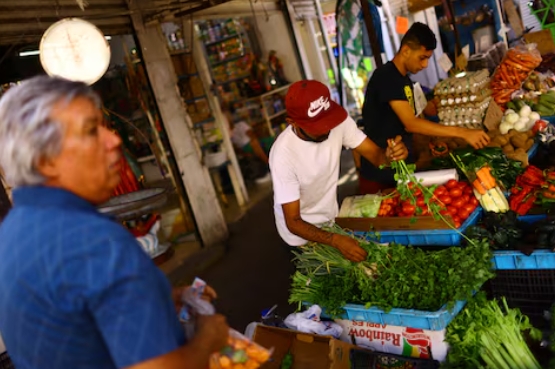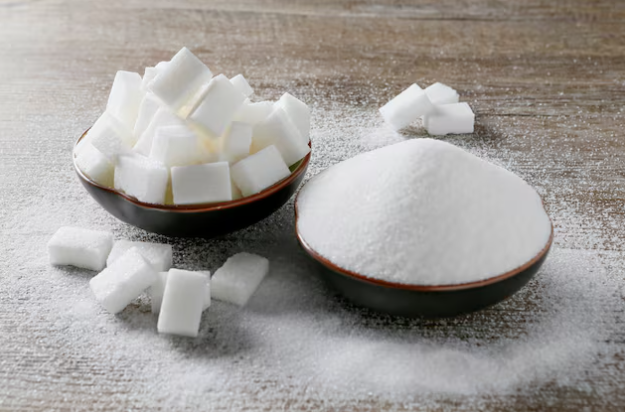
Granulated white sugar and sugar cubes are seen in this picture illustration taken December 16, 2018.
Previously, imported sugar was subject to tariffs ranging between $360 and $390 per ton. The new rates mark a sharp increase intended to strengthen domestic market stability. Although Mexico generally does not rely on imported sugar, the past three production cycles saw a rise in foreign sugar purchases. This increase was mainly due to adverse weather conditions that reduced local production, combined with a decrease in sugar exports to the United States.
Carlos Blackaller, head of Mexico’s main sugarcane producers’ organization, said: “This tariff scheme provides greater protection for domestic product.” He added that the new measure would likely create “a slightly higher price season” for Mexican sugar in the local market for the 2025/26 season, which has just begun. “It practically eliminates the possibility of sugar imports into Mexico,” Blackaller said, noting that imports over the past three seasons totaled just over one million tons.
Mexico produces around 5 million tons of sugar annually, with about 4 million tons designated for local consumption and the remainder exported to the U.S. and global markets. Exports to the U.S. generally yield higher prices than sales to other markets. The sugar industry association, representing mill owners, declined to comment on the new tariffs.
According to the decree, the 156% tariff is ad valorem, which means it includes insurance, freight, and other associated costs. The government expects the measure to stabilize domestic prices and safeguard local producers against global market fluctuations.
For the 2025/26 sugar cycle, production is projected to reach 5.2 million tons, up from 4.7 million tons in the previous season. Despite this recovery, Mexico’s current export quota to the U.S. remains limited at 188,000 tons. Industry observers note that with the new tariff structure, Mexico is positioning itself to ensure domestic supply security and moderate price volatility amid a shifting international sugar market.
The tariff decision reflects the government’s broader effort to balance production recovery with domestic demand while minimizing the impact of external price pressures. As the new policy takes effect, its long-term influence on trade flows, producer profitability, and consumer prices will be closely monitored by both industry participants and international partners.