Train services are set to begin in 2028.
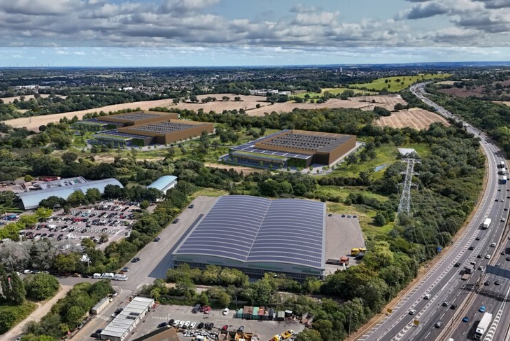
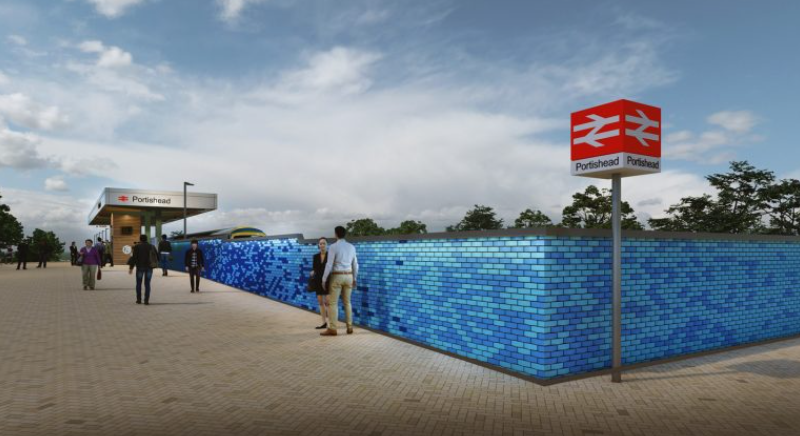
These preparatory works will allow for the installation of temporary construction compounds, the building of two new stations at Portishead and Pill, car parks, and the railway infrastructure itself. The project forms part of the broader Metro West initiative, aimed at improving rail connections across Bristol and surrounding areas.
The UK Department for Transport approved the project in July, and it has received more than £47 million ($61.77 million) in government funding. Once operational, hourly train services between Portishead, Pill, and Bristol Temple Meads are expected to begin in 2028.
Mike Bell, North Somerset Council leader, said: “I know trains from Portishead have been a longtime coming, which is why it’s great to be able to announce a start to works that will pave the way for construction in 2026. When journeys to Temple Meads make a return to train timetables, the reopened Portishead to Bristol line will transform our region as 50,000 people are connected back into the rail network. As always, it’s a joint effort and I’d like to thank the continued support of our partners at the West of England Mayoral Combined Authority, Network Rail, Department for Transport and GWR [Great Western Railway].”
The line was originally closed during nationwide railway reductions in the 1960s. The current enabling works follow ecological assessments designed to protect local wildlife and habitats. Qualified ecologists will continue to monitor activities throughout this preparatory phase.
Project leaders anticipate that reopening the line will cut journey times by half and help ease local road congestion. Helen Godwin, West of England mayor, said: “Working with North Somerset Council, the government, Network Rail, and GWR, this investment in new stations at Pill and Portishead will cut congestion, give people a quicker, greener travel option, and unlock sites for much-needed new homes.”
The enabling works mark a key milestone in returning rail service to the area, connecting tens of thousands of residents to Bristol’s rail network, improving public transport accessibility, and supporting sustainable growth and regional development.
Overall, the project is set to modernize the historic railway corridor, enhance mobility, and provide a greener, faster transport alternative while safeguarding local ecological resources. Construction for full-scale infrastructure is expected to begin in 2026, with passenger services projected for 2028, supporting both daily commuting and regional connectivity.