If confirmed, this order would represent Oceanbulk’s first investment in the container market in seven years, following Pappas’ previous exit from the sector. The move signals a strategic diversification of the company’s portfolio, which has traditionally focused on dry bulk cargo.
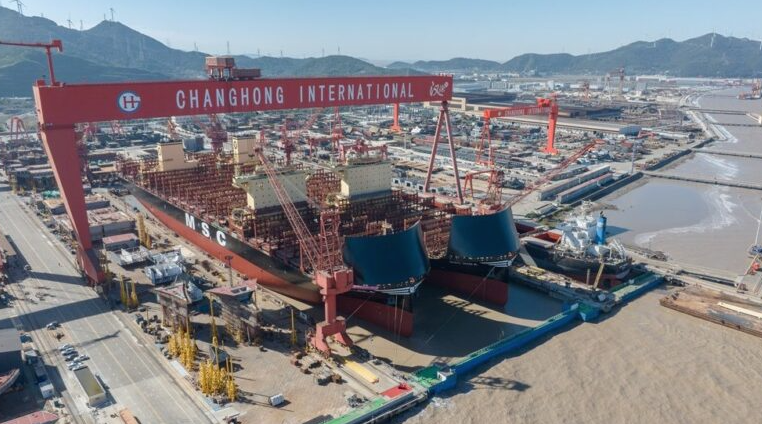
Zhoushan Changhong International Shipyard, located in the Zhoushan Changhong International Industrial Park, is privately owned and has been expanding its presence in the container shipbuilding market. The shipyard has recently secured a series of orders from major operators, including Mediterranean Shipping Company (MSC), for LNG dual-fuel vessels.
Industry databases indicate that Oceanbulk currently operates five bulk carriers and no active containerships. The newbuilding order, if finalized, will reintroduce the company to the container segment, broadening its business scope beyond bulk shipping.
Pappas, who also serves as the Chief Executive Officer of Star Bulk Carriers, oversees one of the world’s largest dry bulk fleets, consisting of 137 vessels in operation and five kamsarmaxes under construction. Oceanbulk’s latest move into containerships complements this extensive portfolio and reflects an emerging trend among Greek shipowners in 2025.
Several established Greek shipping groups have been diversifying into small- and mid-size boxship segments this year. Among them are Alberta Shipmanagement, Danaos, Capital Group, Minerva Dry, Chartworld, Latsco Shipping, and Euroseas, all of which have placed similar newbuilding orders. This collective shift indicates a renewed confidence in container shipping, driven by anticipated trade stability and moderate growth projections in regional and feeder markets.
The container newbuild market in China continues to attract global shipowners with competitive pricing and expanding shipyard capacity. Zhoushan Changhong’s recent performance highlights its growing competitiveness in delivering modern, efficient vessels designed for environmental compliance and operational flexibility.
Oceanbulk’s feeder vessels are expected to feature energy-efficient designs suited for short- to medium-haul regional trade routes, aligning with current market preferences for sustainable and flexible operations.
Overall, the order underscores Oceanbulk’s gradual re-entry into the containership market and Pappas’ broader strategic focus on fleet diversification. As the shipping industry adapts to evolving trade patterns and environmental standards, Greek owners such as Oceanbulk continue to balance traditional bulk operations with new opportunities in container shipping.