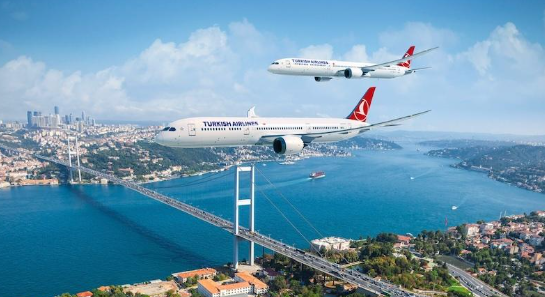
Deliveries of the 787s are scheduled between 2029 and 2034. The airline is negotiating with GE Aerospace and Rolls-Royce for 787 engine supplies and maintenance, building on its existing use of GEnx engines for its current 787-9 fleet and its partnership with Rolls-Royce for Airbus widebody engines at its Istanbul facility.
Ahmet Bolat, Turkish Airlines Chairman, stated: “This landmark agreement represents much more than fleet growth. It is a reflection of our leadership in the industry as well as our dedication to innovation and operational excellence.” The orders support the airline’s goal to expand its fleet to 800 aircraft by 2033, enhancing capacity and efficiency.
Stephanie Pope, President and CEO of Boeing Commercial Airplanes, said: “We are honored that Turkish Airlines has once again chosen the 787 and 737 MAX to power its future growth. As a proud partner to Turkey and the Turkish aviation industry for 80 years, we look forward to continuing our support of Turkish Airlines.”
Currently, Turkish Airlines operates over 200 Boeing aircraft, including 737-8/9, 737-800/900, 777-300ER, 777F, and 787-9 models, alongside more than 200 Airbus aircraft, such as A320ceo/neo, A330, and A350 models. Its subsidiary, AJet, operates A320ceos/neos and 737-8/800s. As of June 30, 2025, the airline’s fleet averages 10.1 years old, with plans to reach 520–525 aircraft by year-end.
The 787-10s are expected to improve fuel efficiency by 25% compared to older aircraft, supporting high-demand routes to the U.S., Africa, Southeast Asia, and the Middle East. This expansion will strengthen Turkish Airlines’ network, covering 353 destinations across 131 countries, and contribute to economic growth through enhanced connectivity and operational advancements.