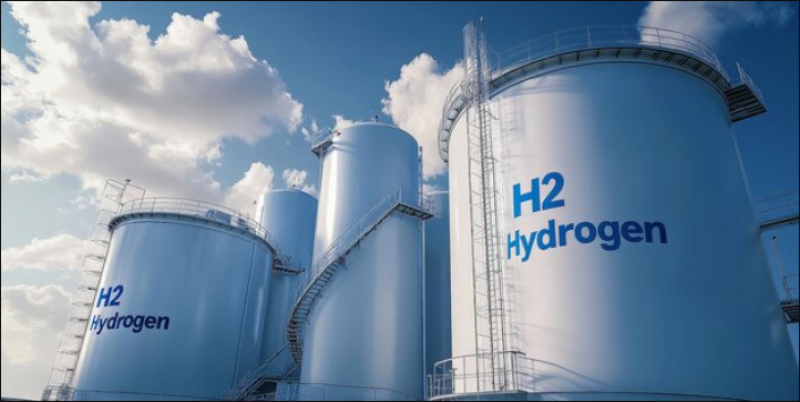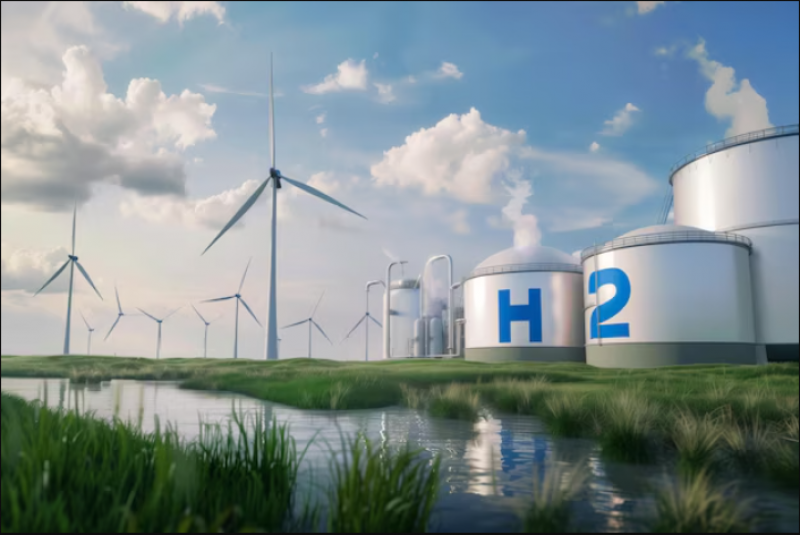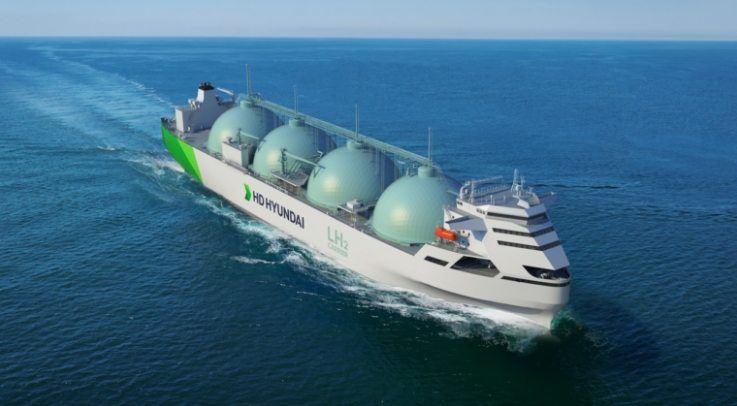
The Hydrilyte technology eliminates the need for specialized pressurized or cryogenic storage, reducing costs and improving accessibility. This advancement supports applications like green iron production, synthetic aviation fuels, and methanol, particularly in regions with less advanced infrastructure. “Rather than transporting a highly flammable gas, you are storing and transporting a safe, low-cost liquid that stores hydrogen under ambient conditions,” said Mark Rheinlander, founder and CEO of Carbon280. “Low cost and ease of handling will simplify and speed the implementation of hydrogen projects globally.”
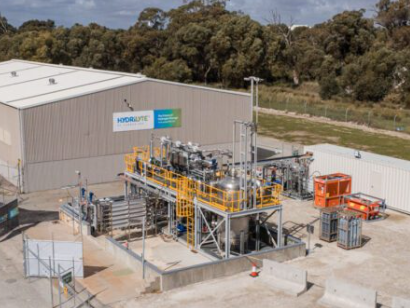
The pilot plant, a 100kW TRL6 prototype, aims to validate the technology’s ability to lower costs for hydrogen users and accelerate project timelines. The Hydrilyte process begins with a suspension of fine magnesium powder in light mineral oil. Hydrogen gas is bubbled through the suspension, triggering a reaction that bonds hydrogen to magnesium, forming stable magnesium hydride. To release the hydrogen, heat is applied, breaking down the hydride to produce high-purity hydrogen gas, leaving the magnesium powder reusable in the oil.
The mineral oil carrier remains unaffected by the reaction, ensuring no degradation and minimal maintenance. The released hydrogen requires no additional purification, enhancing efficiency. This cost-effective approach addresses challenges in Australia’s hydrogen sector, where some projects have faced delays or cancellations.
Carbon280 secured over AU$16 million ($10 million) to develop Hydrilyte, including a $10.6 million seed investment led by Woodside Energy, with contributions from Hive Energy (UK), a Singaporean family office, and an anticipated $5.5 million in Australian government R&D rebates. These funds support the scaling of the technology, which could transform hydrogen storage and transport globally.
The Kwinana pilot plant’s successful operation marks a milestone for Carbon280, positioning it to support the growing demand for clean energy solutions. By offering a safer, more economical method for hydrogen handling, the company aims to drive the adoption of hydrogen in diverse industrial applications worldwide.