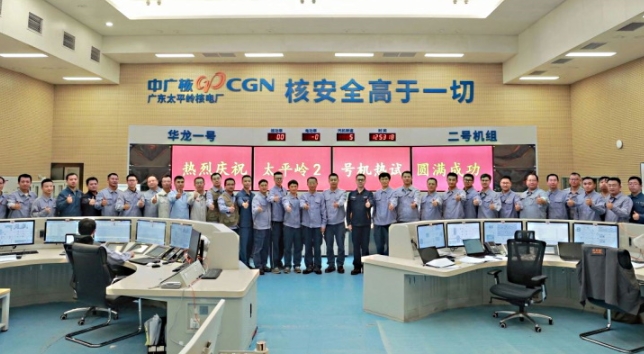
These tests, which simulate the temperature and pressure conditions of normal reactor operation, verify that the reactor coolant system, safety systems, and other components function as designed. Conducted prior to fuel loading, the hot tests ensure that both nuclear and conventional systems meet operational requirements. Earlier this year, Unit 2 completed cold functional tests to confirm the proper installation and leak-tightness of critical components, marking the first integrated operation of reactor and auxiliary systems.
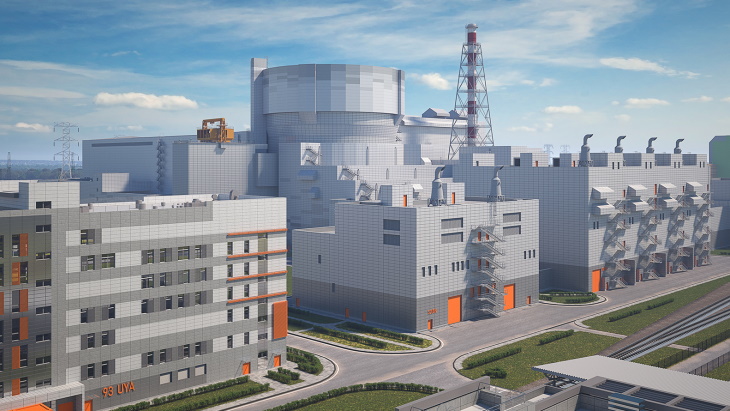
The Taipingling facility is planned to include six HPR1000 (Hualong One) reactors. Construction of Units 1 and 2 began in 2019 and 2020, respectively. Unit 1 completed its hot testing in September 2024 and is scheduled to start operations in 2025, with Unit 2 expected to follow in 2026. The project’s second phase, involving Units 3 and 4, received approval from China’s State Council on 29 December 2023, with construction of Unit 3 starting in June this year.
The completion of these tests at Unit 2 represents a significant milestone in advancing the Taipingling plant’s development. The Hualong One reactors are designed to enhance China’s nuclear energy capabilities, contributing to the country’s energy infrastructure and supporting sustainable energy goals. The ongoing progress at Taipingling underscores CGN’s commitment to ensuring high standards in the construction and commissioning of its nuclear facilities.