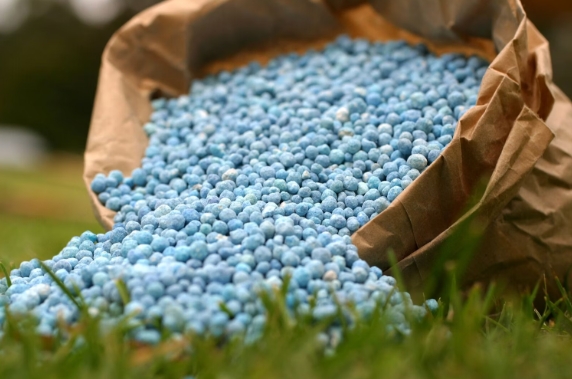
The industry is recognized for its sustainable practices. Canadian potash production generates 50% lower greenhouse gas emissions intensity compared to other countries, and ammonia fertilizers are produced with at least 30% lower net emissions intensity than other regions. A Fertilizer Canada representative stated: “We are essential to an abundant food supply for the world, and as Canadians would expect, we are doing so responsibly and sustainably.”
Despite these strengths, the industry faces growing challenges that threaten its competitiveness. Canada is one of the few major fertilizer-producing nations, outside the European Union, to implement a direct carbon pricing mechanism. As a trade-exposed sector, producers cannot pass these costs to consumers, incurring over $200 million in direct and indirect carbon-related expenses annually, based on policies effective in January 2025. These costs are projected to rise to $410 million by 2030, potentially discouraging investment and increasing reliance on imports from other countries.
Tariffs and the risk of tariffs further complicate the industry’s outlook. Such measures could disadvantage Canadian producers in favor of foreign suppliers with differing environmental and trade standards, impacting fair trade with key markets like the U.S. A Fertilizer Canada spokesperson noted: “Broad-based tariffs between countries like the U.S. and Canada that have open and fair trade place unnecessary burdens on Canada’s agriculture wholesale and retail sectors, and the farm sector, and should be avoided.”
Additional challenges include perceptions of Canada as an unreliable trading partner due to frequent labor disruptions, strained railway capacity, and insufficient investment in supply chain infrastructure. These issues hinder the industry’s ability to maintain its global market position and support Canadian agriculture efficiently.
Fertilizer Canada emphasized the need for urgent action to address these concerns, stating: “It is crucial for our governments to act with urgency to resolve issues that threaten the viability of Canadian operations, threaten our farmers and eventually lead to significant inflation for families.” The organization is committed to collaborating with the next federal government to foster a competitive, growth-oriented future for the industry.
By tackling these challenges, Canada’s fertilizer sector aims to sustain its role as a sustainable and reliable supplier, ensuring food security and economic stability both domestically and globally.