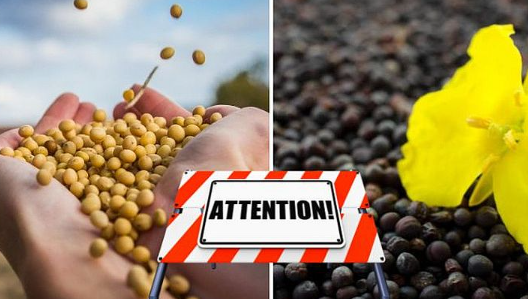
The proposal would permit importing GM rapeseed solely for processing and re-export, with no use of the resulting products in the domestic market. Vysotsky emphasized: “That is, the circulation of processed products on the domestic market is not envisaged, is not discussed. This does not affect the domestic market, there is no circulation, exclusively in the re-export mode, process and export.”
Authorities are exploring a temporary procedure, effective for about one year until September 2026, when Ukraine’s new legislation on genetically modified organisms (GMOs), already passed by the Verkhovna Rada and aligned with European standards, will take effect. Vysotsky noted: “This idea is being discussed with the potential implementation of the next season. This season is impossible. This will be a temporary procedure, exclusively until the launch of a full-fledged law on GMOs, which should start in September 2026, and which has already been adopted by the Verkhovna Rada. It fully complies with European regulations. Therefore, we are not making any cuts or violations here.”
On April 18, Stepan Chernyavskyy, People’s Deputy and Deputy Chairman of the Agrarian Committee, reported that rapeseed processors have requested amendments to the current GMO regulation law to allow GM rapeseed imports for processing and re-export. The initiative aims to support the operational needs of processing enterprises while adhering to strict re-export conditions, ensuring no impact on domestic consumption and maintaining compliance with future regulatory frameworks.