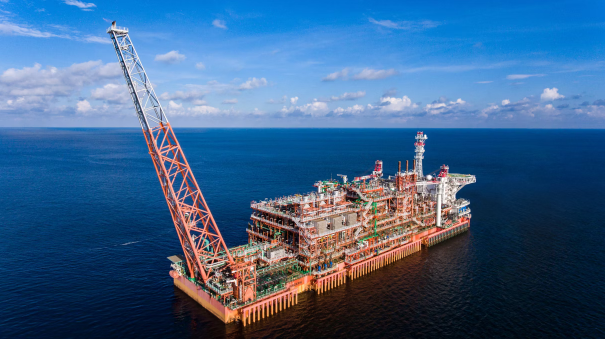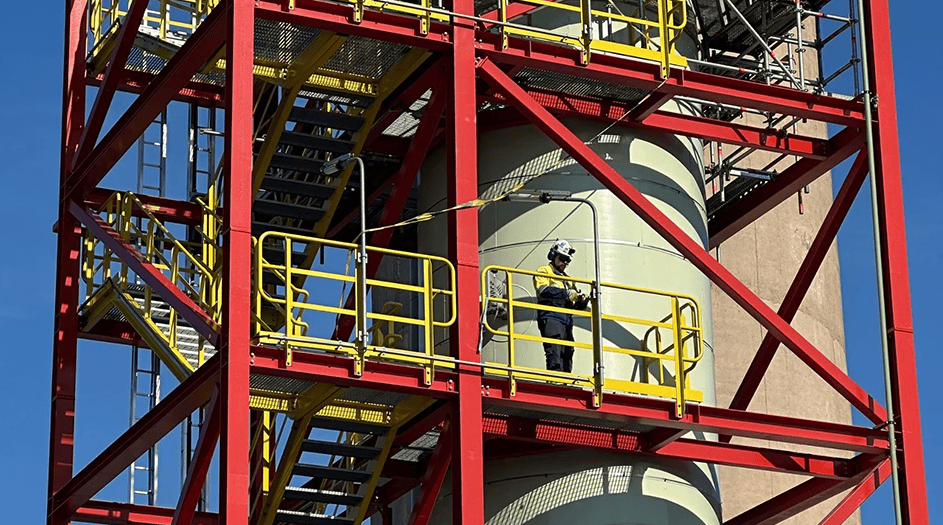
This liquefied waste plastic upgrading facility has an annual processing capacity of up to 150,000 tons, making it currently the world's largest LWP upgrading facility. Neste stated that the processing capacity will be gradually increased to adapt to market demand and regulatory changes. Since 2020, the company has begun processing liquefied waste plastics, such as pyrolysis oil, while the construction and integration of the new facility commenced in 2023 and were completed by the end of last year.
Jori Sahlsten, Executive Vice President of Oil Products at Neste, said: "The successful commissioning proves we can process liquefied waste plastic on an industrial scale. This achievement demonstrates Neste's ability to develop advanced technologies, establish safety standards, and create new supply chains for challenging new raw materials." Sahlsten added: "We are proud of this achievement and sincerely thank our partners and employees whose dedication has enabled us to turn this vision into reality."
Maiju Helin, Director of Polymers and Chemicals at Neste, pointed out: "We have achieved the scaling up of chemical recycling by upgrading liquefied plastic waste. Thanks to our new facility, even hard-to-recycle plastic waste can be upgraded to meet the raw material quality requirements of companies producing high-quality plastics." Helin also mentioned that the European Commission's current calculation rules for recycled content in the Single-Use Plastics Directive may limit refineries' ability to contribute to EU recycled content targets, and called for the rules to be revised to include refineries and enhance Europe's competitiveness.
At the new facility, Neste employs a mass balance approach, co-processing liquefied waste plastic with crude oil and attributing the recycled raw material to the Neste RE product line. The company has partnered with Alterra and Technip Energies to license liquefaction technology specifically for processing hard-to-recycle plastic streams such as multi-layer packaging, mixed plastic waste, and contaminated plastics. This progress helps promote the global application of chemical recycling technology and reduce the environmental impact of plastic waste.