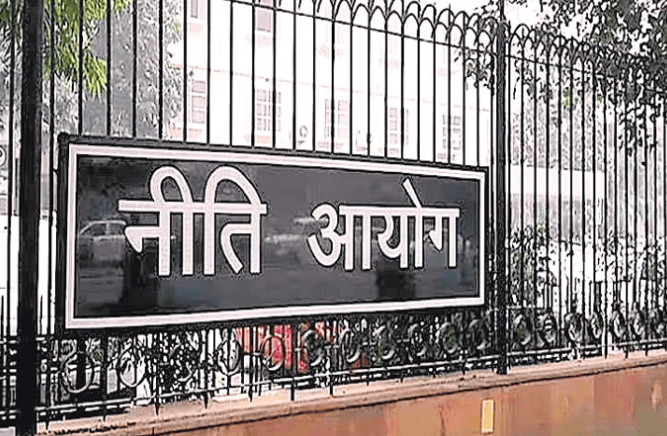
A report released by the institution at the 2026 Jaipur International Material Recycling Conference (IMRC) pointed out significant gaps in India's recycling systems for four key areas: electronic waste, scrap tires, lithium-ion batteries, and end-of-life vehicles. For example, India generates about 6.2 million tons of electronic waste annually, with only 18% being recycled, and formal processing capacity is only 2 million tons; nearly 3 million tons of scrap tires are generated each year, resulting in an annual revenue loss of approximately 750 billion rupees due to a lack of standards and low-value recycling (such as pyrolysis). The report predicts that by 2030, electronic waste will reach 14 million tons, end-of-life vehicles will reach 50 million, and lithium-ion battery demand will increase nearly ninefold. Officials pointed out that the gap between waste generation and formal processing capacity leads to the loss of economic value and strategic resources. Industry leaders cited the metal recycling sector, which is nearly 90% formalized, as an example to demonstrate that through compliance, scale, and efficiency improvements, waste can be transformed into a significant economic resource.