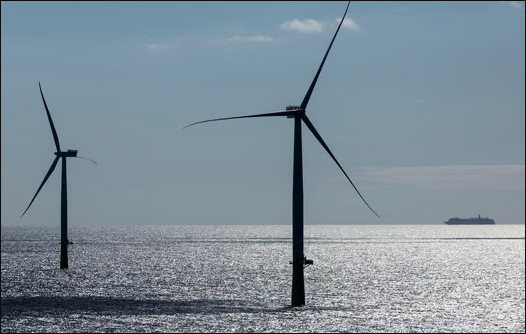
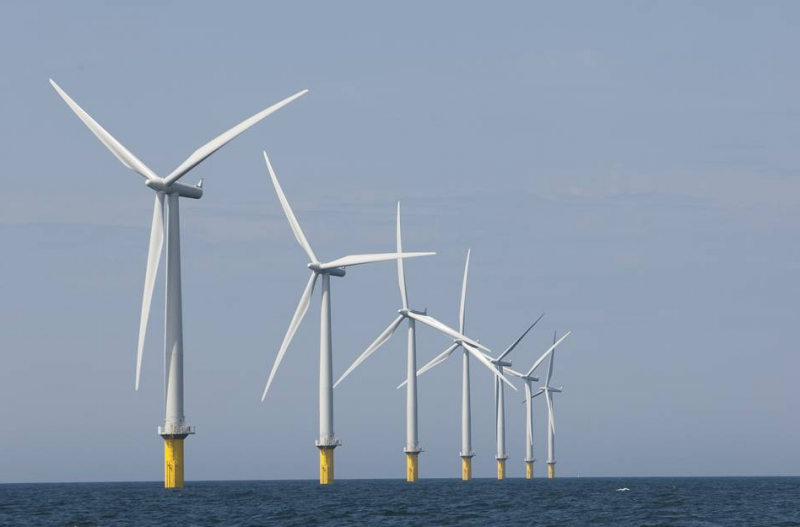
Germany will scale back offshore-wind auctions next year after the last round failed to attract any bidders.
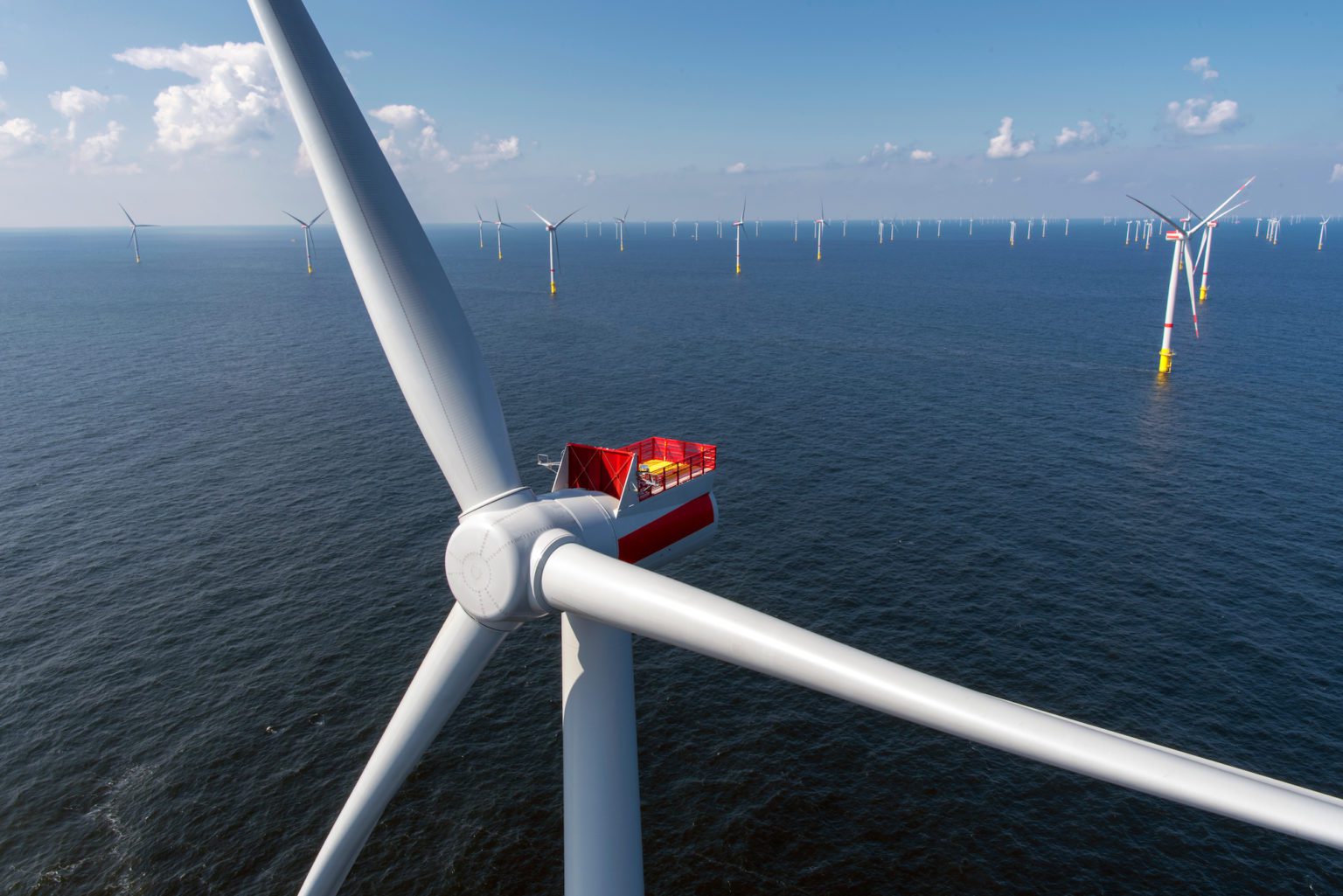
The government will tender just 2.5 to 5 gigawatts, down from an earlier plan for as much as 6 gigawatts, according to a bill approved by lawmakers Thursday evening.
Germany boasts more offshore wind than any other country in the European Union, but rising costs and a lack of certainty over future revenues have made developers more reluctant to commit to new projects. The country is far off track to reach a target to more than triple offshore wind capacity by 2030.
“Offshore wind is facing a difficult market environment, both internationally and in Germany,” the Economy Ministry said in a statement, citing “tight” supply chains and cost hikes.
A North Sea wind auction in August ended without a single bid, prompting calls for an overhaul of the way such tenders are run. Germany doesn’t offer any subsidies to developers, a setup that didn’t deter investors when power prices were higher, but is now turning them away.
Given the lack of reform in the process, industry groups had proposed to delay next year’s auctions to the fourth quarter to allow the government to get a new system in place. They said it should include so-called contracts for difference, which reduce risks for developers by guaranteeing a fixed price for their power.