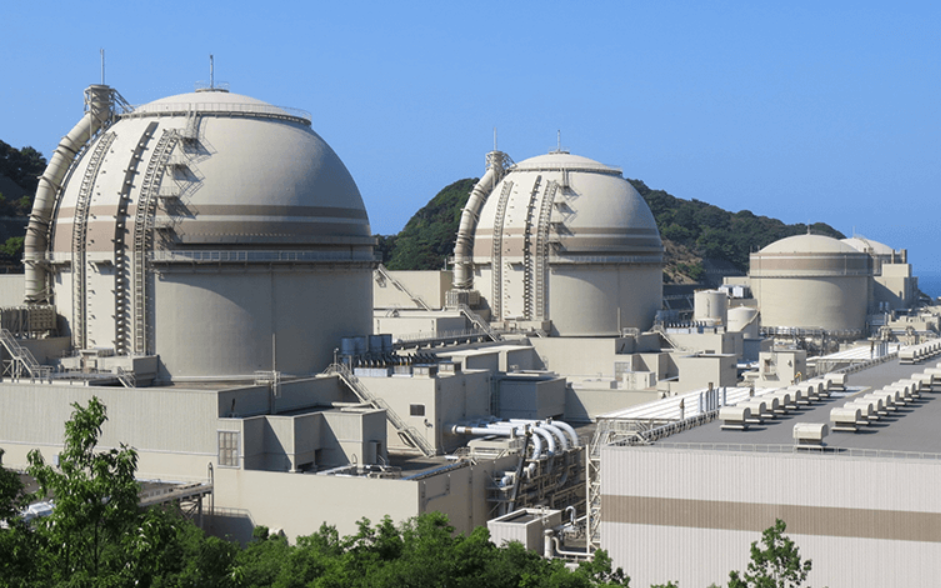
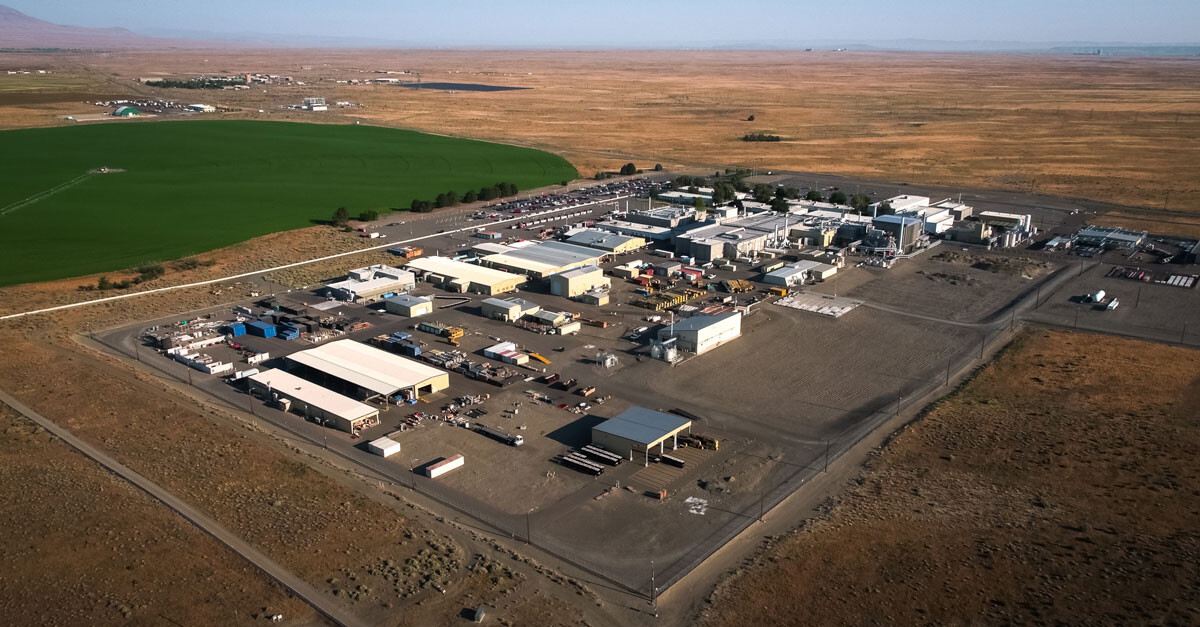
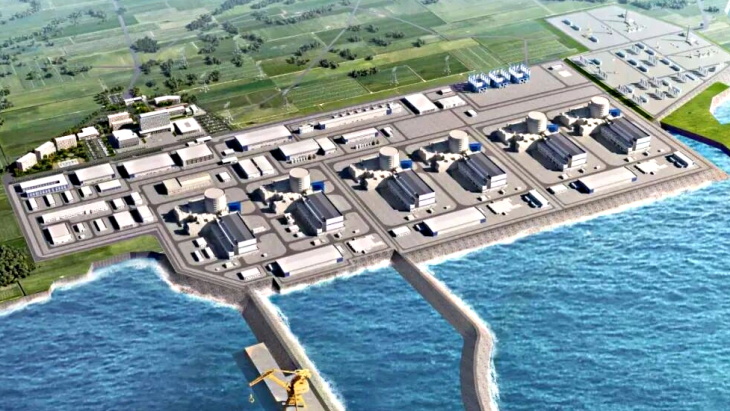
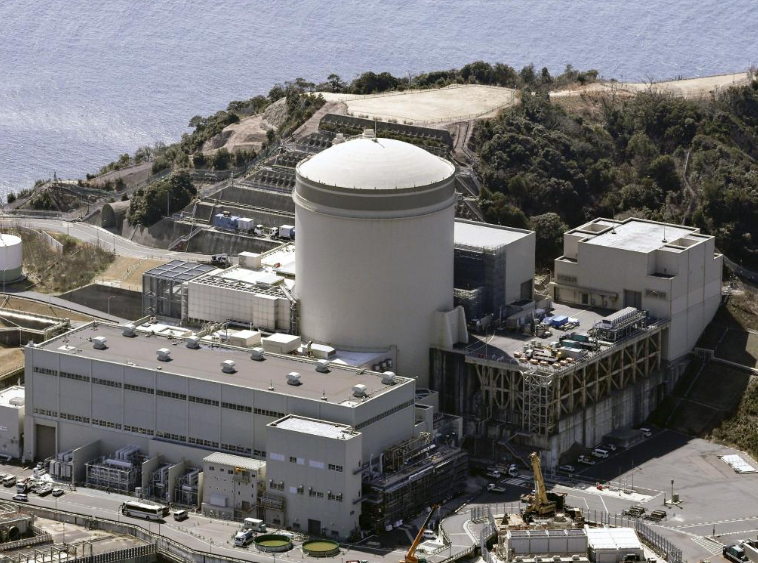
Mongolia is considering Rosatom’s proposal to build a small nuclear power plant, according to Alexey Evsikov, the Russian Ambassador to Mongolia. At present, Ulaanbaatar, the capital city, is powered by two Soviet-era coal-powered plants, which are both archaic and highly polluting during the winter months. The Mongolian energy system is also under enormous strain even at minimal loads.
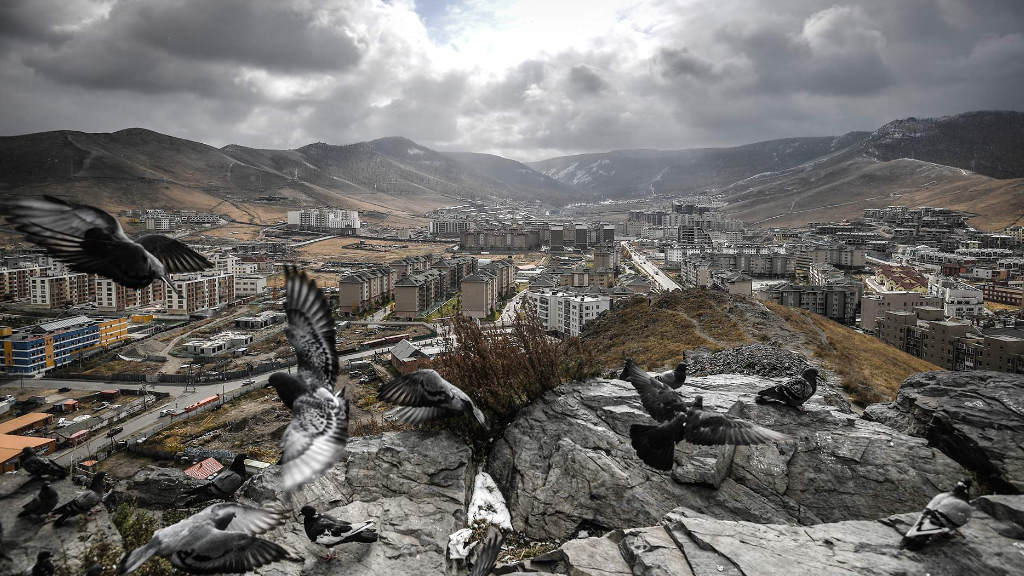
Mongolia’s power grid is currently experiencing serious problems. Voltage levels at control points reach maximum permissible levels at night, even at minimum load. Ulaanbaatar also intends to reduce its dependence on imports—20% of its electricity is still supplied from Russia and China. A nuclear power plant would ensure the country’s clean energy stability.
Mongolia is also selecting a site for the facility, Evsikov said, adding that “Since August 2024, the Mongolian side has been reviewing a proposal from Rosatom to build a small nuclear power plant using cutting-edge, unparalleled technology. The facility is expected to be located in a region where a large number of new electricity consumers are expected to emerge.” That suggests it could be built in New Kharkhorum, the proposed new capital city being constructed about 230 km southwest of Ulaan Baatar. This in turn suggests that Ulaanbaatar’s needs will be met by the Power of Siberia 2 gas pipeline that will bisect Mongolia en route to China from Russia.
On September 2, 2025, a legally binding memorandum was signed on the construction of the Power of Siberia 2 gas pipeline and the Soyuz Vostok transit gas pipeline. The project will enable the annual supply of 50 billion cubic meters of gas from Russia to China via Mongolia. Mongolian Prime Minister Gombojavyn Zandanshatar called it the grand project of the millennium.
As concerns the proposed NPP, in September 2024, Rosatom stated that the technical design of the project to build Mongolia’s first small nuclear power plant was finalized. It was reported that the agreement could be signed during 2025. However, there have been no updates on this timeline, suggesting there has been some slippage.
The future nuclear power plant is crucial for ensuring Mongolia’s energy stability, according to Daria Saprynskaya, a research fellow at the Laboratory for Modern Central Asia and the Caucasus Studies at the Institute of Oriental Studies of the Russian Academy of Sciences. She has said that “Currently, gasification and coal play a vital role in ensuring Mongolia’s stability and security. A new nuclear power plant could potentially provide a sustainable source of electricity to replace coal-fired power plants, which is especially important for the development of large cities and industrial projects. For example, a small nuclear power plant project is being considered to supply electricity to New Kharkhorum.”
However, there is a financial aspect to this. The question is whether the country’s budget can afford to build a nuclear power plant, as the project is expensive. Nevertheless, Mongolia’s interest is clear. Previously, the Deputy Speaker of the Mongolian Parliament, Bekhchuluun Purevdorj, emphasized that if work on nuclear power plant construction begins now, the country will resolve its nuclear energy problem within 10-15 years.
Meanwhile, Evsikov has said that other Russia-Mongolia joint venture projects are being discussed, including uranium and rare earth element mining. He added that “Cooperation in the energy sector is a strategic area for Russia and Mongolia, as this is playing an increasingly important role in ensuring sustainable economic development.”