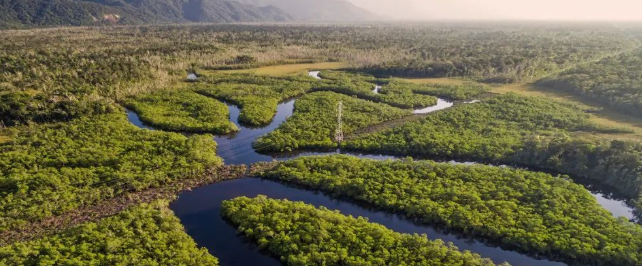
The initiative, estimated to cost $7.3 billion, involves extensive dredging work covering an additional 110 miles. Once completed, it will allow for year-round navigation along the Araguaia-Tocantins river system, enabling the transport of grain cargoes to northern river ports and reducing reliance on long overland routes by truck. The Brazilian government expects the waterway to move around 20 million tons of soybeans and corn annually, cutting transportation costs and improving logistics efficiency.
Officials have noted that the new riverway could help strengthen Brazil’s competitiveness in the global grain market, providing a more cost-effective alternative to existing routes such as the Mississippi River system in the United States. By opening this new path through the Amazon Basin, Brazil aims to enhance its grain export capacity, lower carbon emissions from truck transport, and support continued growth in agricultural output.
Despite regulatory approval, the project has drawn scrutiny from federal prosecutors, who are calling for judicial review to assess its potential environmental and social impacts. They have requested that courts consider how the canal and associated dredging could affect local ecosystems and communities that depend on the river.
During a site hearing in late September, three magistrates visited the area to hear testimony from local fishermen. The fishermen expressed concern that expanding navigation activities might endanger traditional fishing grounds and increase the risk of accidents involving large vessels.
While legal challenges remain, the government continues to emphasize the project’s potential economic benefits. Officials argue that by improving inland waterway infrastructure, Brazil can streamline its grain exports, reduce logistical bottlenecks, and meet rising global food demand more efficiently.
Brazil’s agricultural export performance has already been robust in 2025. Soybean and meal exports have surpassed expectations, with soybean exports in the first ten months of the year reaching 102 million tons, up from 93.49 million tons in the same period last year. The continued expansion of export infrastructure, including the Araguaia-Tocantins riverway, is expected to further support this growth and strengthen Brazil’s position as one of the world’s leading grain suppliers.
The project thus represents both an opportunity for economic development and a challenge in balancing environmental preservation with the needs of an expanding export-driven agricultural sector.