Rio Tinto logo is seen displayed in this illustration taken April 10, 2023.
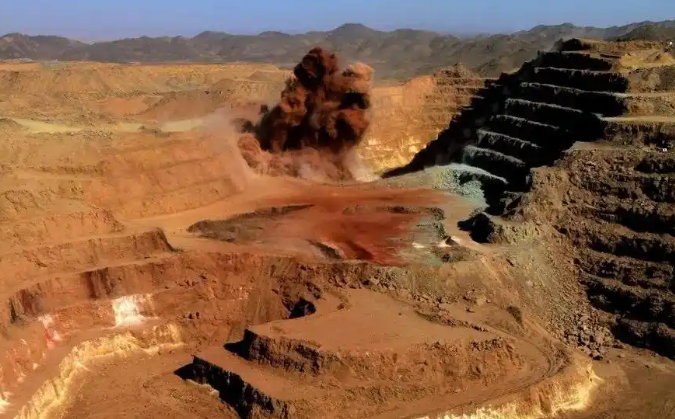
In its third-quarter production report released on Tuesday, Rio Tinto (RIO.L) stated that SimFer, one of the two mines at Simandou, had already accumulated 1.5 million tons of ore, with the first batch loaded onto rail transport in October. A company spokesperson said the project was progressing “at pace,” without providing further details.
According to industry sources, the inaugural shipment will likely be sent to China, the world’s largest steel producer and consumer of over 70% of global seaborne iron ore. Rio Tinto plans to route its initial exports through infrastructure owned by its partner, Winning Consortium Simandou (WCS), whose port facilities are nearing completion. “We expect to start loading a vessel around November,” the company said, though it did not specify shipment volumes.
The ownership of the Simandou project is divided between a consortium of Rio Tinto and Chinese state-owned Chalco (601600.SS), and WCS, a Singaporean-Chinese consortium. The site is connected to the Atlantic coast by a 600-kilometre railway and a deepwater port. Simandou is estimated to contain 4 billion tons of ore with an average iron content of 65%. At full production, the mine is expected to supply 120 million tons of iron ore annually, with SimFer responsible for half of that output.
The International Monetary Fund has projected that the project could increase Guinea’s GDP by 26% by 2030. The country’s military government plans to officially commission the mine on November 11. Meanwhile, WCS, which operates the other Simandou mine, began stockpiling ore in September, setting up competition for early market share.
Analysts expect Simandou’s entry into the global market to influence pricing. Tom Price, head of commodities at Panmure Liberum, said: “Iron ore prices could face downward pressure if Australian and Brazilian miners don’t respond to Simandou’s ramp-up. A 120 million tons annual output by 2028 would lift seaborne supply by 8–9%.” Rio’s finance chief Peter Cunningham noted in July that Simandou’s startup could lead to some higher-cost suppliers exiting the market.
The project’s launch coincides with China’s growing participation in Guinea’s mining sector, where it already leads bauxite exports. Chinese steel producers, facing tighter profit margins and a sluggish property market, are shifting toward high-grade, cost-efficient ore to reduce emissions and energy consumption. WCS and Guinea’s mines ministry have not yet commented on the project’s progress.