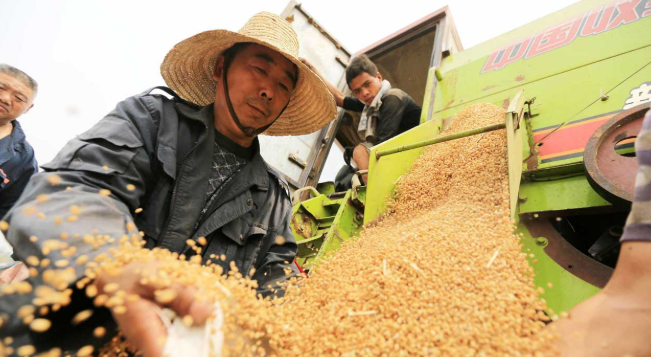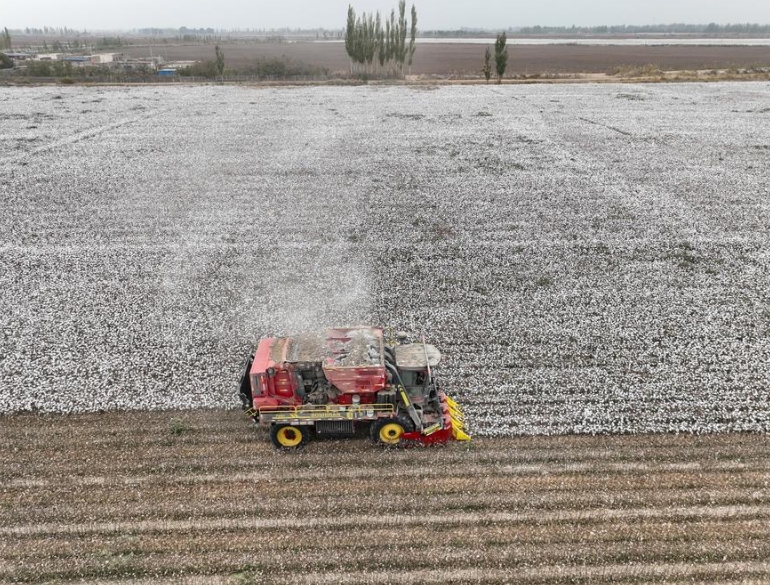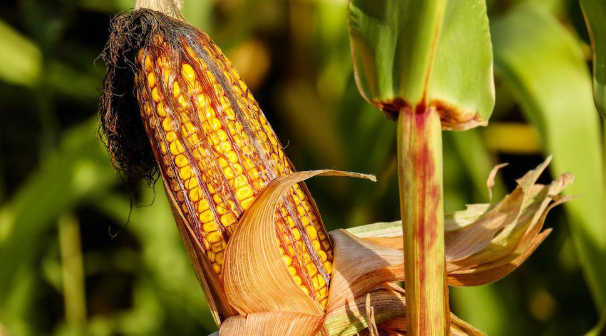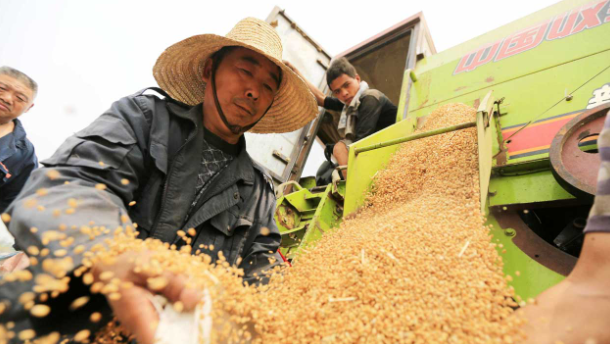
This impressive growth in grain output can be attributed to major investments in agricultural infrastructure modernization. Over 1 billion mu (approximately 66.7 million hectares) of high-standard farmland has been developed, improving land use efficiency significantly. Technological advancements have played a crucial role, contributing 63.2% of the total harvest. Modern cultivation methods, automation, and the development of improved crop varieties have all helped to enhance productivity.
In addition to these structural and technological improvements, farmers' incomes in rural areas have been steadily increasing. In 2024, the per capita disposable income of rural residents reached 23,119 yuan (around 3,255 USD), reflecting better economic conditions for agricultural workers. This progress has been supported by various government initiatives aimed at improving rural livelihoods and attracting younger generations to farming.
China has also significantly invested in agricultural research to support the goals of the Five-Year Plan. More than 800 research institutions and 120,000 researchers are working to develop innovative technologies, such as climate-resilient crop varieties that help mitigate the effects of extreme weather and improve crop yields. These investments are expected to continue driving improvements in both yield efficiency and climate resilience in the coming years.
Looking ahead to 2025, China is optimistic about further progress, with projections estimating grain production could reach 709 million tonnes. The continued adoption of new technologies and further improvements in per-hectare productivity are expected to play key roles in achieving this goal. Han Jun highlighted that food security remains a top priority, and the government will continue to focus on advancing agricultural development to ensure a stable grain supply for the population.
In summary, China’s record-breaking grain production in 2024 underlines the country’s ongoing commitment to modernizing agriculture, boosting rural incomes, and maintaining food security through innovation and strategic investments.