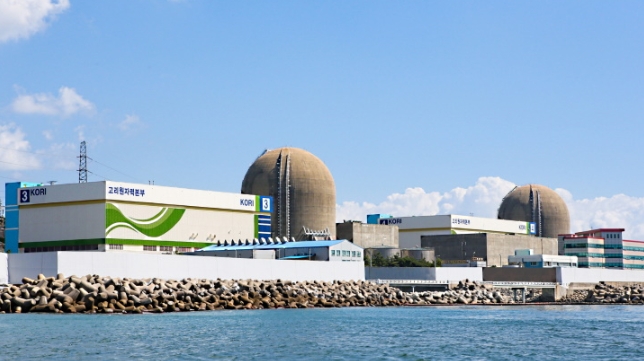
Kori units 3 and 4
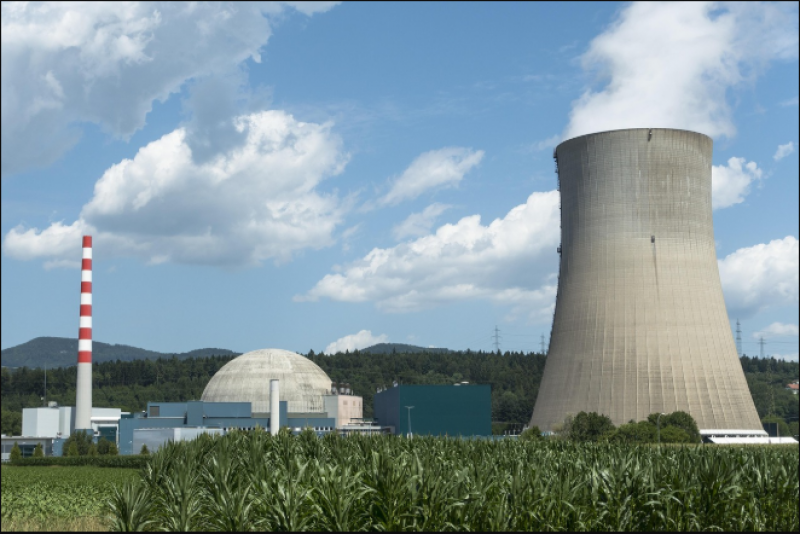
The temporary halt of Kori unit 4, a 1001 MWe pressurized water reactor that began commercial operation in April 1986, was announced on Wednesday when its operating license expired. KHNP highlighted that the unit had operated without issues for 2,059 consecutive days across five cycles, generating approximately 277.3 billion kWh of electricity over four decades—enough to power the nearby city of Busan for about 12.7 years. The company stated: “Like Kori unit 3, a similarly ageing plant, KHNP is also pursuing the continued operation of Kori unit 4, which has long demonstrated its safety and technological prowess.”
In September 2022, KHNP submitted a safety assessment report to the Nuclear Safety and Security Commission (NSSC) to support the continued operation of Kori unit 4. By July 2023, it completed public consultations for the Radiation Environmental Impact Assessment, and in November 2023, it applied for a permit to modify the reactor’s operations. These efforts underscore KHNP’s commitment to meeting rigorous safety and performance standards.
Kori Plant Director Lee Sang-wook emphasized the broader implications, stating: “Continued operation is a key strategy for achieving a stable energy supply and carbon neutrality. We will prioritise the safety of our citizens and pursue continued operation through transparent and fair procedures. Through thorough safety reviews, safety equipment reinforcements, and state-of-the-art facility improvements, Kori unit 4 will become a safer and more efficient power plant.”
The South Korean government is reviewing a policy to allow reactors to operate for an additional ten years, as permitted by law. KHNP expects to restart Kori unit 3 in June 2026. The company noted: “The ongoing operation of Kori units 2, 3, and 4 is considered significant not only for KHNP but also for national energy policy and industry. In particular, it is expected to significantly contribute to securing a sustainable and stable power infrastructure.”
Kori unit 1, decommissioned in June 2017 after 40 years, was the first South Korean reactor to undergo dismantling, with NSSC approval granted in June 2025 following KHNP’s application in May 2021. These developments reflect a focus on balancing energy reliability with safety and sustainability goals.