The agreement also includes a long-term service and maintenance contract, aimed at ensuring high performance and reliability throughout the operational life of the wind farm. The deal remains subject to a formal Notice to Proceed from Ocean Winds.
Terminal T5 in the Port of Gdańsk has been selected as the marshalling harbour for the project. This site will serve as the logistics hub for pre-assembly and load-out operations. The wind turbine installation and commissioning activities are scheduled to begin in 2028.
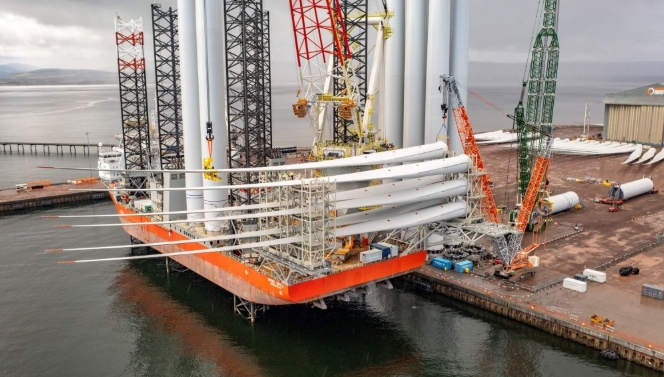
Transportation and installation of the turbines will be carried out by Cadeler, using its O-class vessels. These vessels are designed specifically for offshore wind turbine installation, offering the necessary capacity and flexibility for large-scale components.
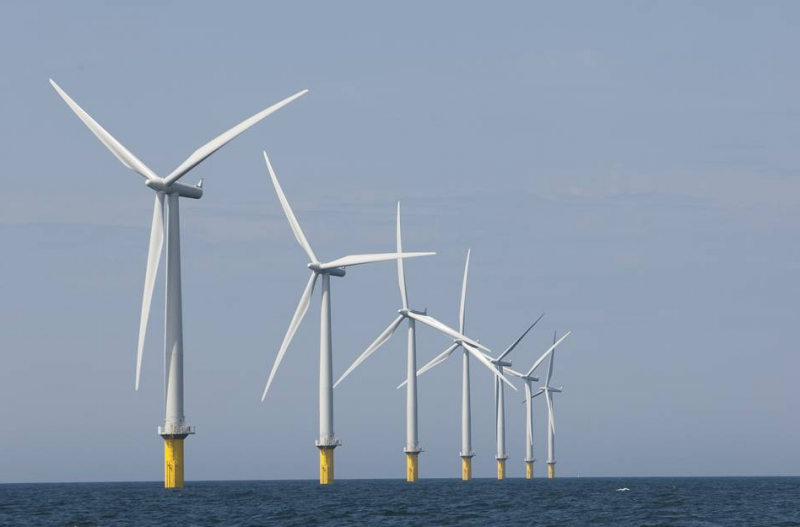
Pete Geddes, Project Director for BC-Wind at Ocean Winds, stated: “After a thorough assessment of macroeconomic factors and detailed calculations, we have decided to choose Siemens Gamesa. This decision is grounded in their proven efficiency and the technological evolution from the model we successfully deployed at the Moray West project in the UK. Building on that hands-on experience, we are confident that this solution will deliver strong performance for our project in Poland. The agreement also includes service and maintenance, ensuring reliability and optimal performance throughout the project’s operational life.”
The BC-Wind project is part of Poland’s broader efforts to expand renewable energy infrastructure, particularly in offshore wind. By selecting Siemens Gamesa’s advanced turbine model, Ocean Winds aims to enhance energy output while maintaining long-term operational efficiency.
The collaboration between Ocean Winds, Siemens Gamesa, and Cadeler is set to support local logistics and contribute to Poland’s growing offshore wind sector. The project is expected to play a key role in meeting national and regional renewable energy targets by the end of the decade.