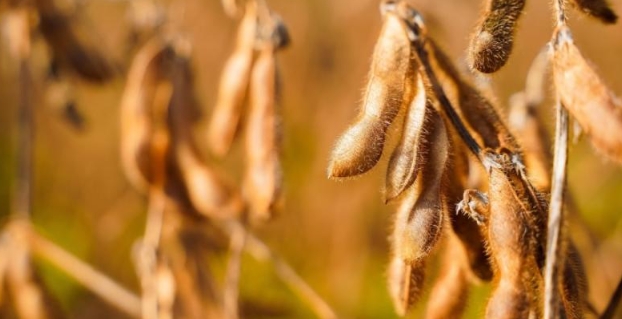
Favorable weather, including warm temperatures and timely rainfall, has boosted crop production prospects across much of the U.S. Midwest farm belt during the summer of 2025. However, localized drought in northern Illinois, the Dakotas, and Nebraska has impacted some fields, posing challenges to overall yields. The USDA noted that 34% of the corn crop was in the “heading” stage as of Sunday, slightly above the five-year average, signaling progress in this critical reproductive phase that influences yields.
The spring wheat crop also showed stronger-than-anticipated growth, with 54% rated good to excellent, up from 50% the prior week and exceeding all analyst expectations. This improvement underscores the positive impact of recent weather patterns on key agricultural regions.
The winter wheat harvest progressed significantly, with 63% completed nationwide by Sunday, according to the USDA. In Kansas, the leading winter wheat-producing state, farmers completed 93% of the harvest, reflecting strong regional progress.
A USDA spokesperson stated: “Recent warm weather and timely rains have improved the outlook for crop production in much of the U.S. Midwest farm belt this summer.” This assessment highlights the role of favorable conditions in driving crop health, despite regional challenges.
The improved crop conditions are a positive development for U.S. agriculture, supporting domestic supply and global markets. Soybeans and corn are critical for food production, animal feed, and industrial uses, while wheat remains a staple for both domestic consumption and export. The USDA’s data indicates a robust growing season, with the corn crop’s pollination phase in July being a key determinant of final yields.
These advancements reflect the resilience of U.S. farmers in navigating variable weather patterns. The USDA’s ongoing monitoring will provide further insights as the season progresses, with the potential to influence agricultural markets and supply chains. The strong crop ratings underscore the importance of favorable conditions and effective farming practices in sustaining high-quality yields across the Midwest and beyond.