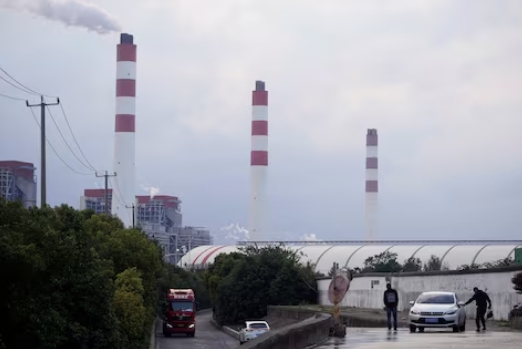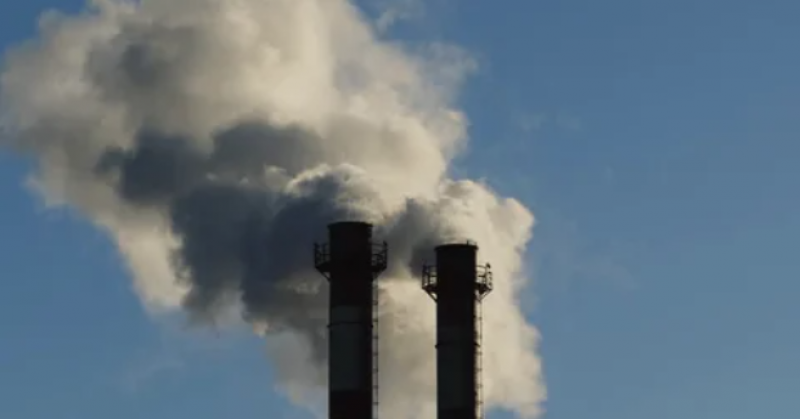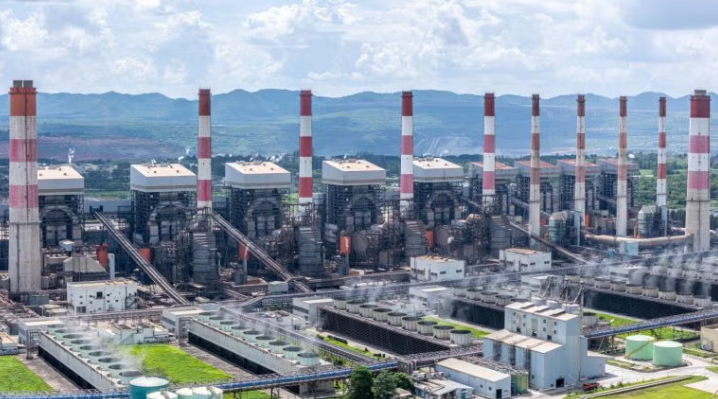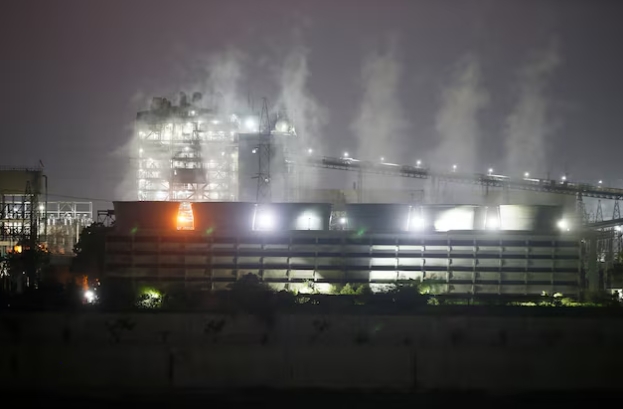
Smoke billows from the cooling towers of a coal-fired power plant in Ahmedabad, India, October 13, 2021.
The updated policy exempts 79% of coal-fired power plants located more than 10 kilometers (6 miles) from densely populated or highly polluted cities from the 2015 mandate. This change aims to reduce the financial burden on power producers while maintaining environmental standards in less urbanized areas. For 11% of plants situated closer to populated cities, the installation of FGD systems will be evaluated on a case-by-case basis, allowing flexibility based on specific circumstances.
The remaining 10% of coal-fired power plants, located near New Delhi and other cities with populations exceeding one million, are required to install desulphurisation equipment by December 2027. This ensures stricter compliance in areas with higher population density and greater air quality concerns.
The decision follows a review initiated in December 2024, which examined the feasibility of the original $30 billion clean-air equipment program. The Central Pollution Control Board conducted an analysis highlighting that operating FGD systems could increase carbon dioxide emissions, prompting a reassessment of the mandate’s scope.
India’s largest electricity producer, NTPC, has already invested approximately $4 billion to equip 11% of its power plants with FGD systems. Additionally, about half of the remaining units have either ordered or are in the process of installing these systems. The notification does not address the financial implications or cost recovery for these investments, focusing instead on the environmental rationale for the policy adjustment.
This revision reflects India’s efforts to address air quality while supporting the operational needs of its energy sector. The policy maintains a focus on urban areas with significant pollution challenges while easing requirements for plants in less populated regions, based on environmental and technical assessments.