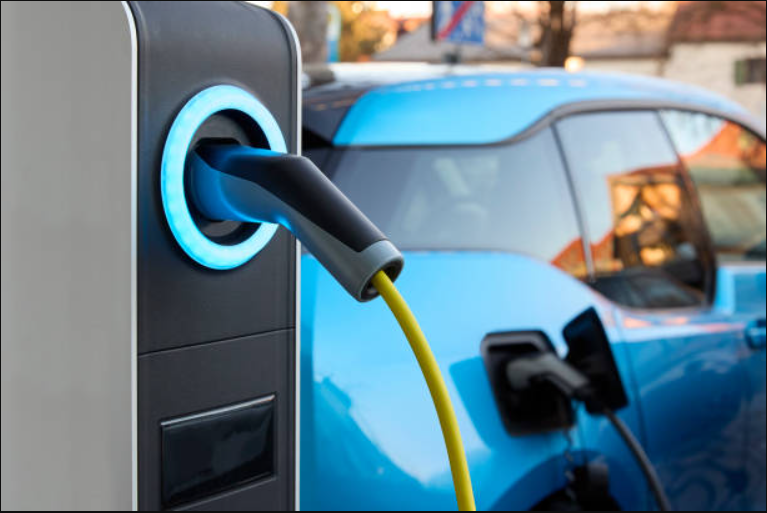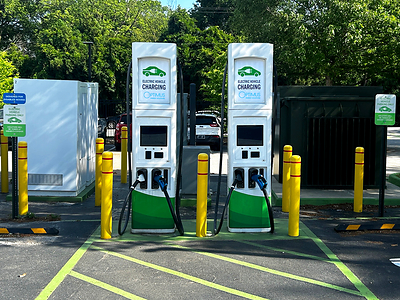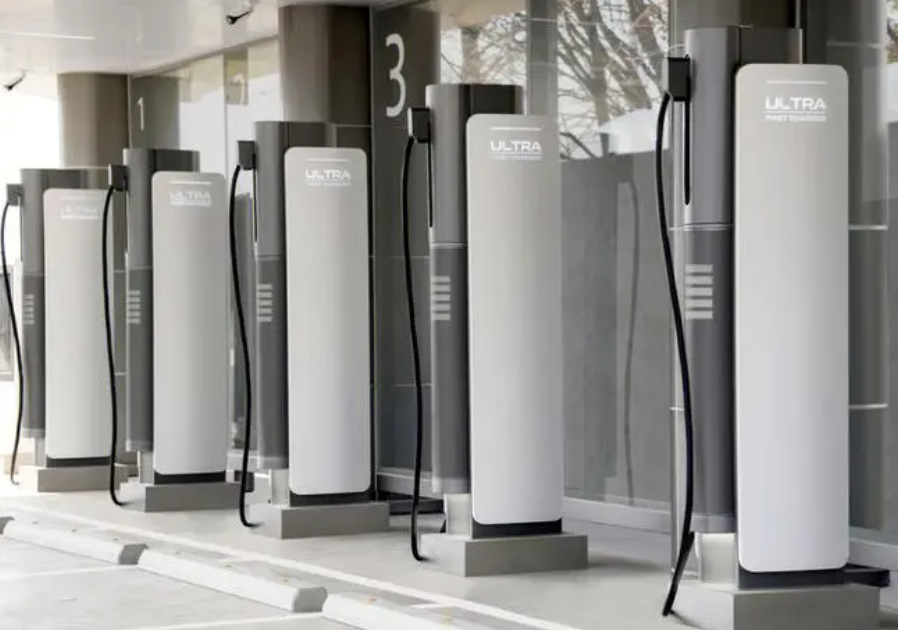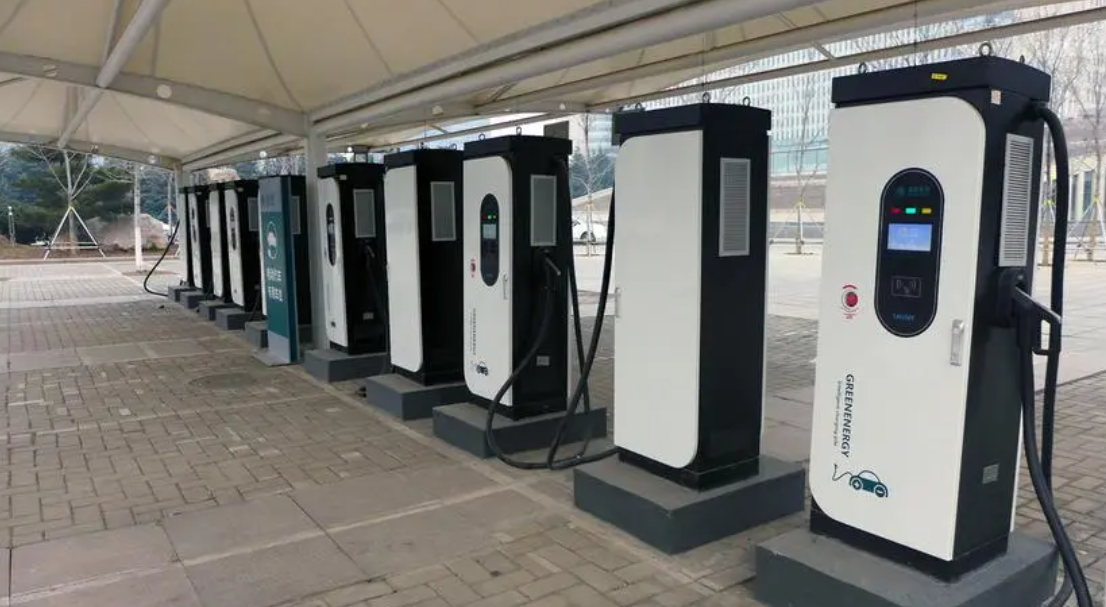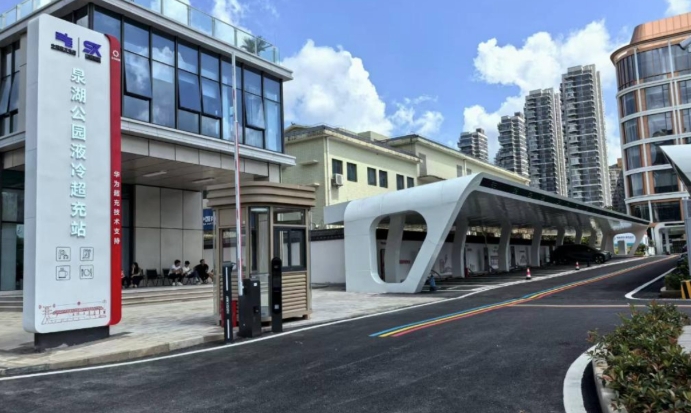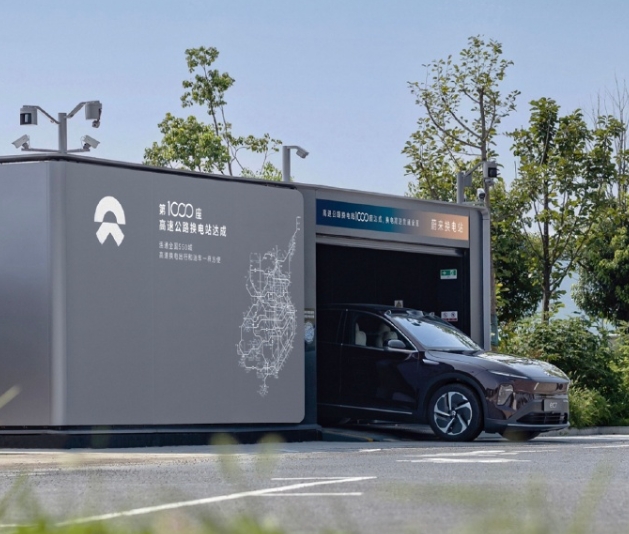
As of July 9, NIO operates 3,399 battery swap stations across China, including 1,000 on highways, alongside 4,659 charging stations with 26,701 NIO-managed chargers. The company also provides access to over 129,600 third-party charging stations, strengthening its energy infrastructure for electric vehicle users.
This development aligns with NIO’s “Power UP 2024” plan, launched in August 2024, which targets comprehensive coverage of China’s county-level regions. By December 31, 2025, NIO aims to extend its battery swap and charging network to over 2,300 counties across 27 provincial regions, with plans to reach 2,800 counties starting in 2026.
NIO is also fostering partnerships to create an open energy ecosystem. It has established charging network interoperability with brands such as Zeekr, Xiaomi EV, AVATR, Chery, Dongfeng Motor’s MHERO, Harmony Intelligent Mobility Alliance, Hongqi, DEEPAL, AION, IM Motors, Lotus Cars, Cadillac, Buick, and XPENG. In May 2025, NIO Power and Zeekr signed an agreement allowing NIO, ONVO, and FIREFLY users to access Zeekr’s charging stations through in-car navigation, mobile apps, or the NIO Power app, enhancing user convenience.
On April 9, Wuhan NIO Energy Co., Ltd. and Jining Hi-Tech Holding Group signed a strategic agreement in Jining, Shandong province, to build 50 NIO Power Swap stations across the region. This collaboration supports the expansion of new energy vehicle infrastructure in Shandong.
“This milestone reflects NIO’s commitment to building a robust and accessible energy network for electric vehicle users,” said a NIO spokesperson. The company’s efforts focus on improving energy replenishment convenience and supporting the growing adoption of electric vehicles through strategic partnerships and infrastructure development.
NIO’s initiatives demonstrate a commitment to enhancing electric vehicle accessibility and sustainability, contributing to a seamless and efficient charging and battery swap experience across China’s vast network of cities and counties.