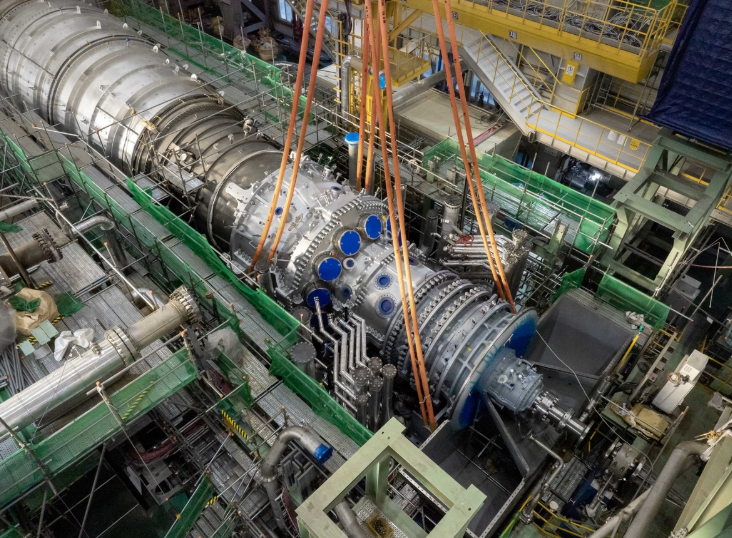
The fuel gas module skid, a compact system, processes and delivers fuel gas by removing impurities, regulating pressure, and ensuring compatibility with turbine requirements. This upgrade enhances operational efficiency, reduces emissions, and protects equipment from contaminants. As a result, nitrogen oxide emissions at the Secunda plant have been reduced by 75%, dropping below the guaranteed threshold of 25 parts per million.
A key environmental benefit is the elimination of water as a diluent in the combustion process, saving approximately 64 Olympic-sized swimming pools of water per turbine annually. Additionally, the efficiency improvements are projected to cut carbon dioxide emissions by about 10,000 metric tonnes per turbine each year. Joseph Anis, president and chief executive of GE Vernova’s Gas Power business in Europe, the Middle East, and Africa, stated: “Building on our advanced combustion technologies, we are helping Sasol address South Africa’s energy needs more efficiently. Together, we are demonstrating how advanced technologies can deliver tangible benefits for both businesses and communities.”
The upgrade also extends maintenance intervals, reducing plant downtime and operational costs while improving the reliability of power supplied to South Africa’s national grid. This contributes to enhanced energy security for the region. The project is being highlighted at Enlit Africa, an energy conference held from May 20 to May 22 in Cape Town, showcasing its advancements in sustainable energy solutions.
This modernization reflects a commitment to balancing industrial efficiency with environmental responsibility, supporting South Africa’s energy needs while reducing resource consumption and emissions. The Secunda power plant’s upgrades serve as a model for integrating advanced technology to achieve both operational and ecological benefits.