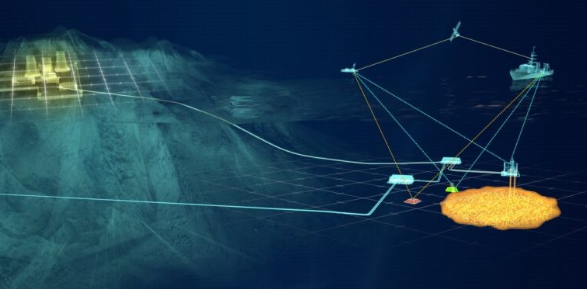
The project is located on the Enping 15-1 platform, approximately 200 kilometers southwest of Shenzhen, in waters around 90 meters deep. It captures carbon dioxide emitted during oil extraction, processes it into a supercritical state, and injects it into subsea oil reservoirs. The initial injection rate is 8 tonnes per hour. This method not only enhances oil recovery but also sequesters carbon emissions, creating a circular model for offshore energy production.
The Enping 15-1 platform is currently the largest offshore oil production platform in Asia. The oilfield group produces over 7,500 tonnes of crude oil per day at its peak. By incorporating CCUS technology, the platform serves as a prototype for future marine-based carbon reduction initiatives.
CCUS is recognized globally as a key technology for reducing carbon emissions from fossil fuel operations. While there are currently 65 commercial-scale CCUS projects worldwide, most are located onshore. Offshore implementations remain limited, making this initiative a noteworthy example of technological advancement in subsea carbon management.
The process adopted by the Enping project involves capturing CO₂ during oil development operations, followed by purification and pressurization. The carbon dioxide is then transported and injected into deep subsurface formations for long-term storage. This dual-purpose approach contributes to both resource efficiency and environmental sustainability.
By launching this offshore CCUS project, CNOOC aims to support China’s broader climate and energy goals. The development also aligns with the global trend toward integrating carbon capture technologies into oil and gas operations to meet emissions targets and promote cleaner production methods.
The Enping 15-1 platform's integration of CCUS not only enhances energy production efficiency but also adds to global research and operational experience in offshore carbon storage. Its operation is expected to provide valuable data and technical insights for scaling similar initiatives in other marine environments.
As a new model for offshore carbon management, this project contributes to the advancement of marine energy recycling and serves as a benchmark for future CCUS deployments in offshore oilfields, both in China and internationally.