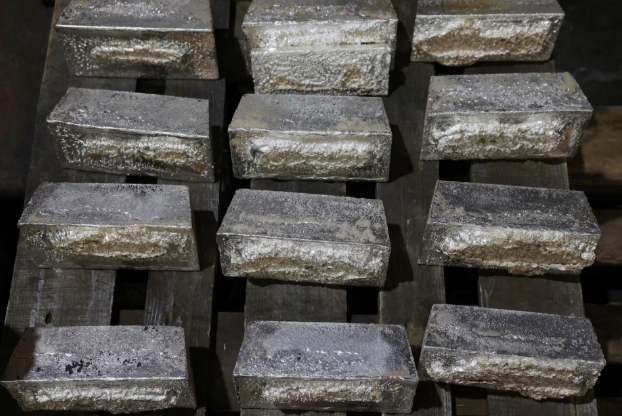
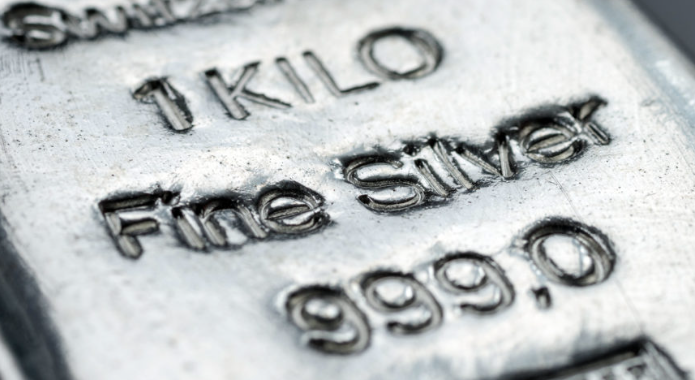
The initial extraction was conducted at Indium’s R&D facility in Rome, New York.
The initial gallium extraction took place at Indium’s research facility in Rome, New York. The project is now advancing to its next phase, focusing on improving extraction methods to enable pilot-scale production. If successful, Rio Tinto plans to build a demonstration plant in Saguenay-Lac-Saint-Jean, Canada, with support from the Quebec government. The facility would have an annual capacity of up to 3.5 tonnes of gallium.
Looking ahead, Rio Tinto aims to develop a commercial plant capable of producing 40 tonnes of gallium per year, representing 5–10% of global gallium output. Gallium is a critical mineral used in high-tech industries, including integrated circuits for radar systems, smartphones, electric vehicles, and laptops.
Jérôme Pécresse, Rio Tinto Aluminium chief executive, stated: “We are very proud to announce this significant milestone in our important research and development project to extract gallium from our aluminium operations in Quebec. Together, through this innovative partnership, Rio Tinto and Indium Corporation strive to strengthen the North American supply chain for gallium, a critical and strategic mineral.”
Indium CEO Ross Berntson added: “This achievement is a major milestone, reflecting our dedication to global industrial needs by ensuring a sustainable supply of gallium. Our joint efforts are positioning North America as a leader in critical material production.”
Global gallium production is currently estimated at 600 tonnes per year, with no contribution from North America. Rio Tinto’s project could enhance the region’s supply chain for this essential mineral. The company already produces other critical materials in North America, including scandium, tellurium, lithium, and molybdenum, used in products like aluminum alloys, electric vehicle batteries, and steel.
Rio Tinto is also exploring additional research opportunities to extract other valuable materials from its operations, aiming to support industries reliant on these components. This initiative reflects the company’s commitment to innovation and sustainable resource development in Quebec and beyond.